Day
0
0
São Paulo
Arrivals in São Paulo and rest before the tour.

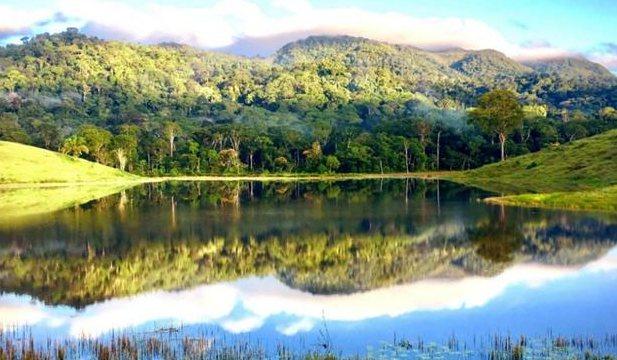
Pantanal, Caatinga and Atlantic Forest through the lens
Duration
Region
4 states
Brazil
About this itinerary
A journey through the Pantanal, Cerrado, Caatinga and Atlantic Forest. Experience the breathtaking beauty of the northern Pantanal, with a variety of wildlife and birds along the way and the chance to photograph the majestic Jaguar in its natural habitat.
We also look for special birds in the incredible landscapes of Northeast Brazil, like the critically endangered Araripe Manakin, and close the adventure with a taste of the Atlantic Forest in the Southeast. Get ready to capture stunning photos and make memories that will last a lifetime.
The route
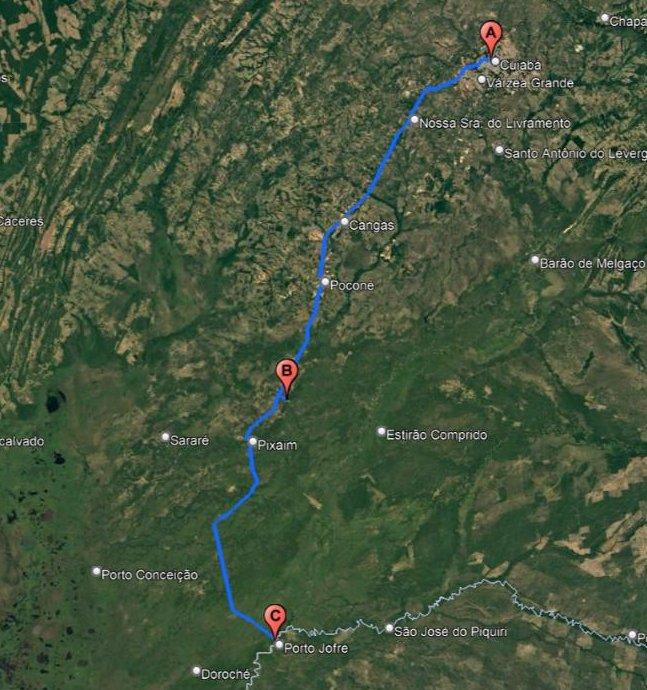
Cuiabá (A), Transpantaneira Road (B), Porto Jofre (C), Fortaleza (D), Guaramiranga (E), Quixadá (F), Barbalha (G), Potengi (H), Canudos (I), Lençóis (J), Boa Nova (K), Itacaré (L), Serra Bonita Reserve (M), Ilhéus (N), São Paulo (O), Trilha dos Tucanos (P), Peruíbe (Q), Ubatuba (R).
| Day | Route | Plan |
|---|---|---|
| 0 | São Paulo | Arrivals |
| 1 | S. Paulo – Cuiabá – Transpantaneira Rd (150km) | Flight. Transfer. PM Birding |
| 2 | Transpantaneira Rd – Porto Jofre (110km) | AM Birding. Transfer. PM Birding |
| 3 | Porto Jofre | AM and PM Birding |
| 4 | Porto Jofre | AM and PM Birding |
| 5 | Porto Jofre – Cuiabá (250km) – Fortaleza | Transfer. Flight |
| 6 | Fortaleza – Guaramiranga (110km) | AM Birding. Transfer. PM Birding |
| 7 | Guaramiranga – Quixadá (110km) | AM Birding. Transfer. PM Birding |
| 8 | Quixadá – Barbalha (340km) – Potengi (105km) | AM Birding. Transfer. PM Birding |
| 9 | Potengi | AM and PM Birding |
| 10 | Potengi – Canudos (470km) | AM Birding. Transfer. PM Birding |
| 11 | Canudos – Lençóis (560km) | AM Birding. Transfer |
| 12 | Lençóis | AM and PM Birding |
| 13 | Lençóis | AM and PM Birding |
| 14 | Lençóis – Boa Nova (410km) | Transfer. PM Birding |
| 15 | Boa Nova | AM and PM Birding |
| 16 | Boa Nova – Itacaré (200km) | Transfer. PM Birding |
| 17 | Itacaré – Serra Bonita (200km) | AM Birding. Transfer. PM Birding |
| 18 | Serra Bonita | AM and PM Birding |
| 19 | Serra Bonita – Ilheús (170km) – São Paulo | Transfer. Flight |
| 20 | São Paulo – Trilha dos Tucanos (200km) | Transfer. AM and PM Birding |
| 21 | Trilha dos Tucanos | AM and PM Birding |
| 22 | Trilha dos Tucanos – Peruíbe (130km) | Transfer. PM Birding |
| 23 | Peruíbe – Ubatuba (350km) | AM Birding. Transfer. PM Birding |
| 24 | Ubatuba – São Paulo (210km) | AM Birding. Transfer. Departures |
Day by day
Arrivals in São Paulo and rest before the tour.
Flight to Cuiabá. Transfer to the famous Transpantaneira Road (+/-3hrs [150km]), with birding along the way.
Read more · 4 photos
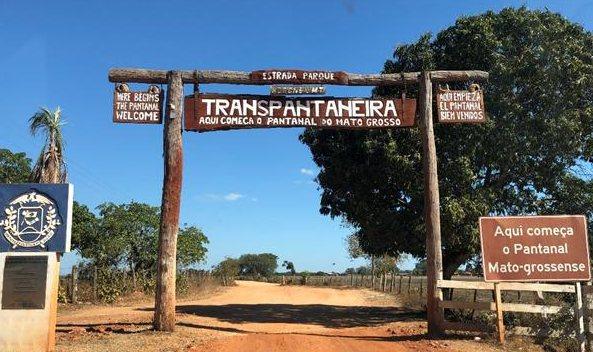
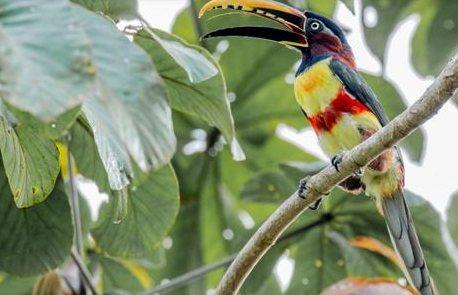
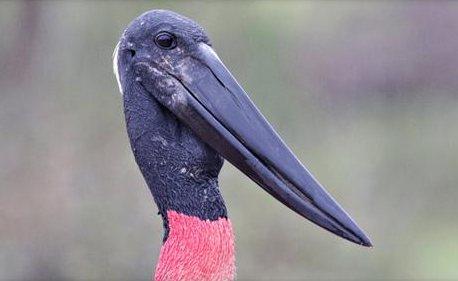
The Transpantaneira Road is a must-see destination for everyone. This remarkable dirt road is teeming with wildlife, providing ample opportunities to capture stunning photos of the flora and fauna. The road is so distracting that it can be challenging to drive continuously during the first few days. Our journey through Pantanal covers around 140km along this incredible road, with stops at unique Pousadas situated on old farms. The road ends at Porto Jofre, where we embark on boat rides to spot the majestic Jaguars.
Greater Rhea (Rhea americana), Southern Screamer (Chauna torquata), Jabiru (Jabiru mycteria), Maguari Stork (Ciconia maguari), Black-bellied Whistling Duck (Dendrocygna autumnalis), Muscovy Duck (Cairina moschata), Sunbittern (Eurypyga Helias), White-throated Piping Guan (Pipile grayi), Pale-crested Woodpecker (Celeus lugubris), Bare-faced Ibis (Phimosus infuscatus), Black-fronted Nunbird (Monasa nigrifrons), White-lored Spinetail (Synallaxis albilora), Grey-crested Cacholote (Pseudoseisura unirufa), Great Potoo (Nyctibius grandis), Great Horned Owl (Bubo virginianus), Long-tailed Ground Dove (Uropelia campestris), Undulated Tinamou (Crypturellus undulatus), Chestnut-eared Aracari (Pteroglossus castanotis) Chestnut-bellied Guan (Penelope ochrogaster), Toco Toucan (Ramphastos toco), Mato Grosso Antbird (Cercomacra melanaria), Giant Cowbird (Molothrus oryzivorus), Scarlet-headed Blackbird (Amblyramphus holosericeus), Agami Heron (Agamia agami), Green-and-rufous Kingfisher (Chloroceryle inda), American Pygmy Kingfisher (Chloroceryle aenea), Band-tailed Antbird (Hypocnemoides maculicauda), Zigzag Heron (Zebrilus undulatus), Sungrebe (Heliornis fulica), Bluish-grey Saltator (Saltator coerulescens), Band-tailed Nighthawk (Nyctiprogne leucopyga), Anhinga (Anhinga anhinga), Black-collared Hawk (Busarellus nigricollis), Rusty-backed Spinetail (Cranioleuca vulpina).
Please note that due to high demand, the Pousadas we stay at along the Transpantaneira Road in Pantanal may vary based on availability. Typically, we choose from the following options: Pousada Piuval, Pousada Pouso Alegre, Pousada Aymara, Pousada Rio Claro, Hotel Pantanal Mato Grosso, SouthWild (Santa Teresa), Hotel Pantanal Norte, Jaguar Boat Hotel.
AM Birding. Transfer to Porto Jofre (+/-3hrs [110km]). PM Birding.
Read more · 1 photo
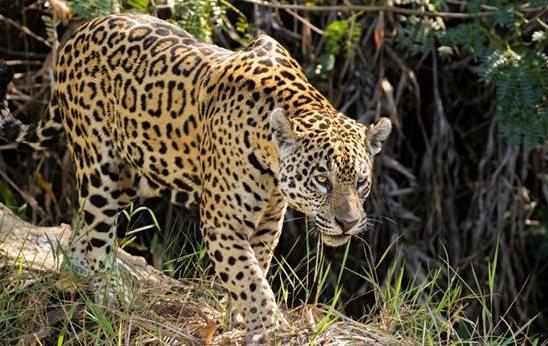
This village is situated at the end of the Transpantaneira Road, near the Cuiabá River. This area hosts one of the highest densities of Jaguars in Latin America, with approximately eight individuals per 100km², according to the research conducted by Panthera, an NGO dedicated to jaguar conservation in the region. Today, this location is recognized as one of the best places in the world to capture stunning photographs of Jaguars. As we travel towards Porto Jofre, we will traverse the Transpantaneira Road, which offers excellent opportunities to capture the diverse and breathtaking wildlife.
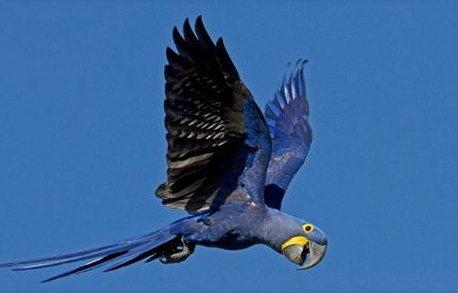
Here our star is not a bird, but the majestic Jaguar (Panthera onca). We also have chances to see other mammals such as Giant Otters (Pteronura brasiliensis). We will see lots of birds on our way such as the ones cited above.
AM and PM Birding in Porto Jofre.
Transfer to Cuiabá (+/-5hrs [250km]) and flight to Fortaleza.
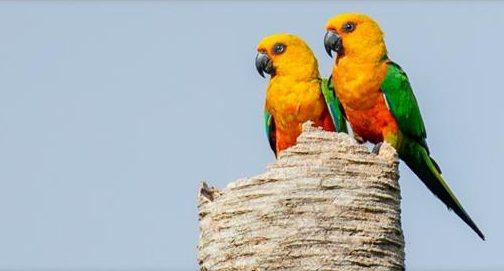
AM Birding in Fortaleza looking for the Jandaya Parakeet (Aratinga jandaya), and transfer to Guaramiranga (+/-2hrs [110km]) for PM Birding.
Read more · 3 photos
Located 100km from Fortaleza, Maciço de Baturité has a remarkable humid Forest ranging from 600-1100 meters altitude. This Forest is a kind of island in the middle of the Caatinga (dry) vegetation, that is predominant in the lower elevations (below 600 meters). Because of its unique habitat, this is the main refuge for several humid forest species in the state of Ceará. We will be birding nearby town in private properties with good trails and/or roads.
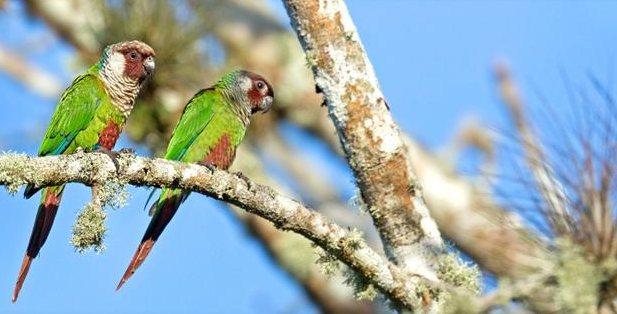
One of the highlights here is the Grey-breasted Parakeet (Pyrrhura griseipectus), one of the world's most threatened parrots. Other species of great interest are Buff-breasted Tody-Tyrant (Hemitriccus mirandae), Ceara Gnateater (Conopophaga cearae), Ceara Woodcreeper (Xiphorhynchus atlanticus), Ochraceous Piculet (Picumnus limae), Guianan Tyrannulet (Zimmerius acer), Band-tailed Manakin (Pipra fasciicauda), Gould’s Toucanet (Selenidera gouldii), Grey-headed Spinetail (Cranioleuca semicinerea), among others. We will also pay special attention to some subspecies that could possibly be elevated to species in the future such as Variable Antshrike (Thamnophilus caerulescens cearensis), Red-necked Tanager (Tangara cyanocephala cearensis) and Rufous-breasted [Ceara] Leaftosser (Sclerurus scansor cearensis).
AM Birding and transfer to Quixadá (+/-2hrs [110km]) for PM Birding.
Read more · 3 photos
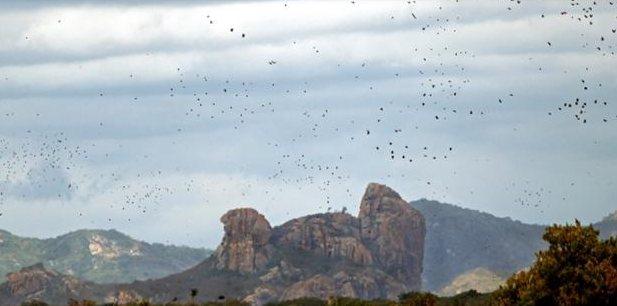
Quixadá is a municipality in the state of Ceará located three hours from the capital. One of its most striking features is the rock formations, the monoliths, in various formats that "break" the apparent monotony of the countryside landscape. The hotel we are staying in is away from town and birding will be around the hotel grounds.
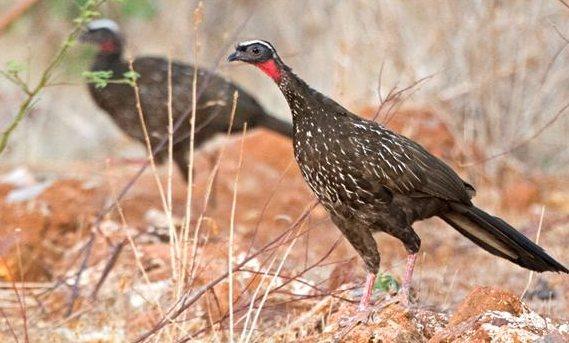
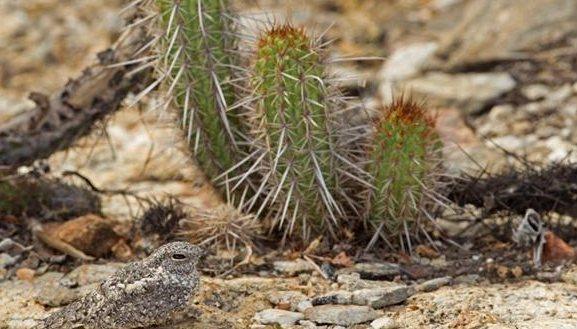
Here we start to explore Caatinga habitat. A few birds worth highlighting are: White-naped Jay (Cyanocorax cyanopogon), Caatinga Parakeet (Eupsittula cactorum), Pygmy Nightjar (Nyctipolus hirundinaceus), Black-bellied Antwren (Formicivora melanogaster), Pale Baywing (Agelaioides fringillarius), the Caatinga race of Long-billed Wren (Cantorchilus longirostris bahiae), Caatinga Cacholote (Pseudoseisura cristata), Ochre-backed Woodpecker (Celeus ochraceus) and, if we are lucky, we might even see the rare and endemic Whitebrowed Guan (Penelope jacucaca). During the dry season, a flock usually comes to drink in a reservoir in the hotel area.
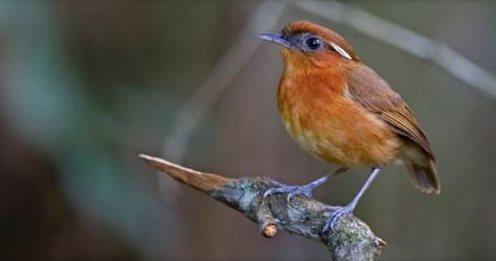
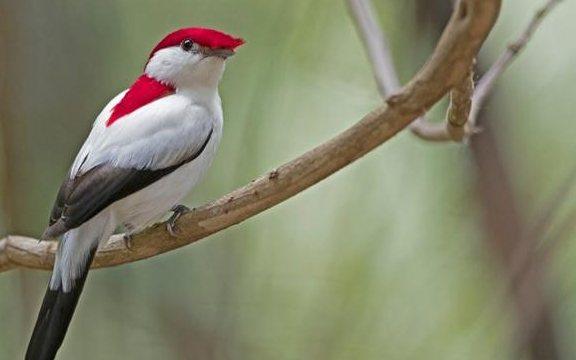
On this day, we will head to the foothills of the Chapada do Araripe plateau (Barbalha) (+/-5hrs [340km]), a place you cannot miss out on! It is the Only area in the World for the superb Araripe Manakin (Chiroxiphia bokermanni). Chapada do Araripe rises in the middle of the dry lowlands, forming a natural boundary between the states of Pernambuco, Piauí and Ceará. The northeastern portion of the Chapada faces the state of Ceará and concentrates hundreds of springs, forming a true oasis in the Caatinga. The Araripe Manakin was described to science only in 1998 and to this day it stands out as one of the greatest “recent” discoveries in Ornithology. The species has an estimated distribution of 30km²; exclusive to the humid forests along the Ceará side of the Chapada slope; it is therefore classified as Critically Endangered. It is the target of conservation projects led by the Ceará NGO Aquasis, which, in partnership with government agencies, national and international NGOs, has been working to prevent the extinction of this beautiful bird.
Read more · 5 photos
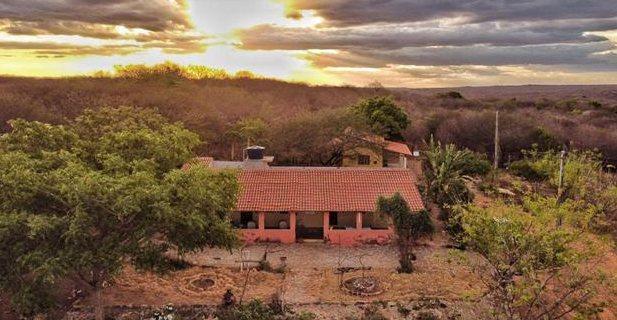
Potengi is a small town in the south region of Ceará, part of the Chapada do Araripe area. Only recently has Potengi entered the world birding scenario because of a passionate birdwatcher and biologist that transformed his family property in a refuge for Caatinga birds, the “Sítio Pau Preto”. We will stay in a small family-owned lodge where we can feel right at home hosted by him and his kind family. We will bird around to search for some of the most special birds of this unique habitat. For those who enjoy taking photos, there are also feeders.
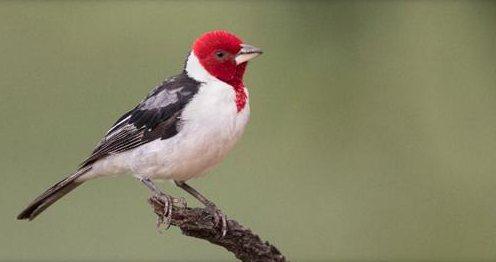
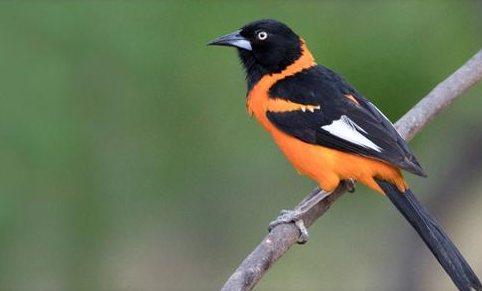
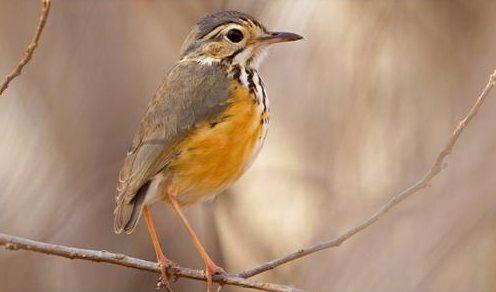
Here we keep searching for Caatinga specialties, such as White-browed Antpitta (Hylopezus ochroleucos), Caatinga Antwren (Radinopsyche sellowi), White-throated Seedeater (Sporophila albogularis), Scarlet-throated Tanager (Compsothraupis loricata), Great Xenops (Megaxenops parnaguae), Red-shouldered Spinetail (Synallaxis hellmayri), Bahia Wagtail-Tyrant (Stigmatura bahiae), the local races of Greater [Caatinga] WagtailTyrant (Stigmatura budytoides gracilis) and Stripe-backed Antbird (Myrmorchilus strigilatus strigilatus). Do not forget the feeders, where we could see Campo Troupial (Icterus jamacaii), Red-cowled Cardinal (Paroaria dominicana), White-naped Jay (Cyanocorax cyanopogon), Grey Pileated Finch (Coryphospingus pileatus) and more. In the end of the day, we have chances of seeing Least Nighthawks (Chordeiles pusillus) flying over the lodge.
After enjoying the Araripe Manakin, we transfer to Potengi (+/-1½hrs [105km]).
AM and PM Birding in Potengi.
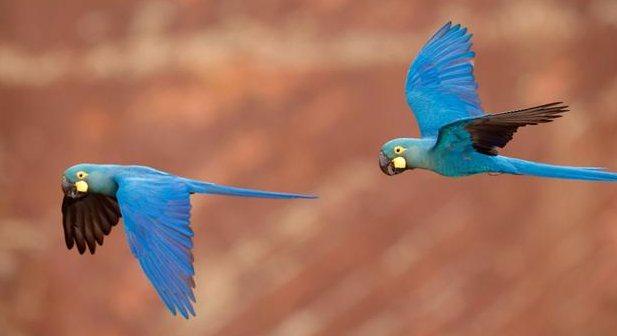
AM Birding in Potengi. Transfer to Canudos (+/-6½hrs [470km]), in the state of Bahia, stopping for lunch en route. If we get there on time, we could see the Blue-winged Macaws (Primolius maracana) coming to their roosting site or we could explore the Caatinga areas near town, searching for any birds we might have missed on the previous days.
Read more · 3 photos
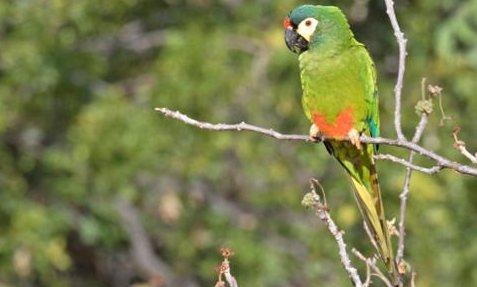
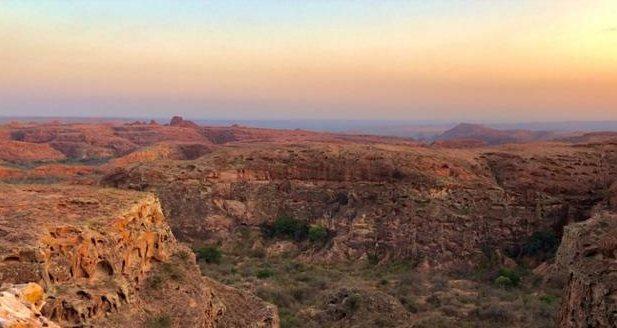
Situated in the northern portion of the state of Bahia, near the borders with Pernambuco, Sergipe and Alagoas, Canudos has some of the most extraordinary scenarios of this trip: the experience of hearing the macaws calling and seeing the red sand cliffs contrasting with the indigo blue of the macaws is simply unforgettable.
One of the most exciting moments of the trip, the encounter with the Lear’s Macaw (Anodorhynchus leari)! This amazing species only occurs in this region, the northern portion of Bahia. Besides our main target, we’ll name a few other species that we could keep an eye out for: the endemic race of Blue-crowned Parakeet (Thectocercus acuticaudatus haemorrhous), King Vulture (Sarcoramphus papa), Black-chested Buzzard-Eagle (Geranoaetus melanoleucus), and more.
AM Birding and transfer to Chapada Diamantina, where we will stay in the cozy town of Lençóis (+/-8½hrs [560km]).
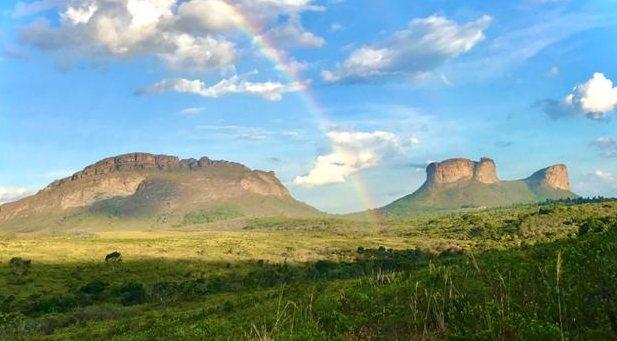
On this day in the Chapada Diamantina area, we will concentrate our efforts in the locations closer to Lençóis. AM Birding in a Campo Rupestre trail about half an hour from the hotel and PM Birding in a Humid Forest (Cerradão with Atlantic Forest influence) in the surroundings of the town.
Read more · 4 photos
Certainly, one of the most impressive places in Brazil, the landscapes are astonishing. Chapada Diamantina is part of a long series of highlands linked to the Espinhaço mountain range, which extends from north of Minas Gerais through Bahia. There is a high diversity of habitats such as Caatinga, Cerrado, Campo Rupestre (arid mountain shrubs), Humid and Gallery Forests, and a high diversity of birds (almost 400 species). Most of these beautiful landscapes and pristine habitats are part of the Chapada Diamatina National Park which protects, by law, 152.000 hectares. Because of the scenic views, preserved habitat, and waterfalls, this is one of the most visited places in the state of Bahia by tourists willing to connect with nature.
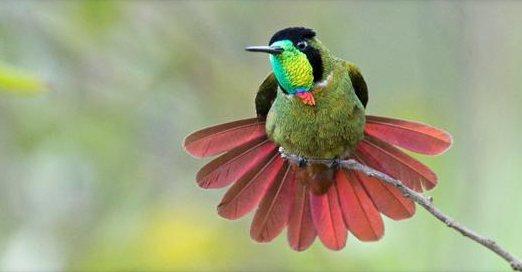
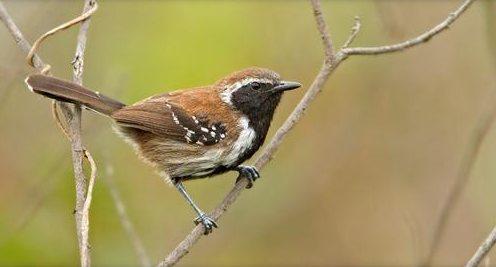
Our main targets in the Chapada Diamantina are the Hooded Visorbearer (Augastes lumachella), Sincora Antwren (Formicivora grantsaui) and Diamantina Tapaculo (Scytalopus diamantinensis), the last two described to science just in 2007. We have a long list of birds to look for besides the three mentioned above: Collared Crescentchest (Melanopareia torquata), Helmeted Manakin (Chiroxiphia galeata), Pale-bellied Tyrant-Manakin (Neopelma pallescens), Surucua [Orange-bellied] Trogon (Trogon surrucura aurantius), Black-throated Saltator (Saltatricula atricollis), Rufous Nightjar (Antrostomus rufus), Broad-tipped Hermit (Anopetia gounellei), São Francisco Sparrow (Arremon franciscanus), Rufous-sided Scrub Tyrant (Euscarthmus rufomarginatus), Shrike-like Tanager (Neothraupis fasciata), Rufouswinged Antshrike (Thamnophilus torquatus), East Brazilian Chachalaca (Ortalis araucuan), Copper Seedeater (Sporophila bouvreuil), Green-winged Saltator (Saltator similis), Gilt-edged Tanager (Tangara cyanoventris), Horned Sungem (Heliactin bilophus), Grey-backed Tachuri (Polystictus superciliaris), Serra Finch (Embernagra longicauda) and more. In case we have missed any Caatinga birds, we could also look for them here.
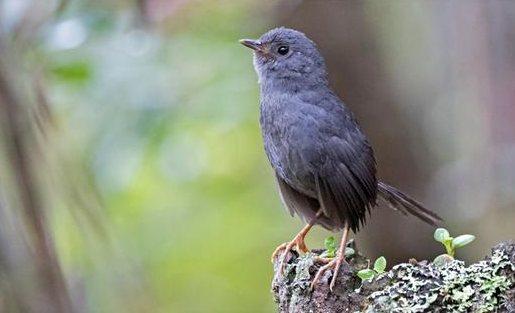
AM and PM Birding in Chapada Diamantina area (Mucugê) (+/-4hrs [130km]).
After breakfast, we will leave the hotel towards Boa Nova (+/-6hrs [410km]) with stops for birding along the morning in Caatinga and Cerrado areas of Chapada Diamantina if needed.
Read more · 4 photos
Located in the southwestern part of Bahia, Boa Nova is famous among birders due to its highly diverse bird community (+430 species), with typical elements of montane Atlantic Forest, Caatinga, and a unique transitional area between the Atlantic Forest and Caatinga known as “mata-de-cipó” (Vine Forest). This variety of habitats provides a rich avifauna, with many globally threatened species that motivated the Brazilian Government to create a mosaic of Protected Areas in the region; the National Park and Wildlife Refuge of Boa Nova, with 13.000 and 15.000 hectares, respectively. There is a place near the hotel (20min), with a natural hummingbird garden full of ground cacti (Melocactus ernestii) that blossom every afternoon attracting many nice hummingbirds. Fortunately, this pristine and unique area is now owned and protected by a Brazilian couple of birders who are constantly improving facilities (hides and birdfeeders), especially for bird photographers. Although there are no species that only occur in this area, you will have excellent photo opportunities of hummers, caatinga birds, and more. So, if you are a keen bird photographer or like to enjoy a special scenario you will love the famous “Lajedo dos Beija-flores”.
One of the main highlights is the Slender Antbird (Rhopornis ardesiacus), confined to the “mata-de-cipó” vegetation where we could also find the Narrow-billed Antwren (Formicivora iheringi) and Hangnest Tody-Tyrant (Hemitriccus nidipendulus). In the Montane Atlantic Forest we search for species such as the Striated Softtail (Thripophaga macroura), Bahia Spinetail (Synallaxis cinerea), Rio de Janeiro Antbird (Cercomacra brasiliana), Fork-tailed Tody-Tyrant (Hemitriccus furcatus), Crescent-chested Puffbird (Malacoptila striata), Rufousheaded Tanager (Hemithraupis ruficapilla), Black-billed Scythebill (Campylorhamphus falcularius), Pallid Spinetail (Cranioleuca pallida), East Brazilian Pygmy Owl (Glaucidium minutissimum), White-eyed Foliage-gleaner (Automolus leucophthalmus), Pin-tailed Manakin (Ilicura militaris), Scale-throated Hermit (Phaethornis eurynome), Spot-breasted Antvireo (Dysithamnus stictothorax), Ferruginous Antbird (Drymophila ferruginea), Grey-hooded Attila (Attila rufus), Gilt-edged Tanager (Tangara cyanoventris) and many others.
In the hummingbird garden (Lajedo dos Beija-flores), we could see Sapphire-spangled Emerald (Chionomesa lactea), Swallow-tailed Hummingbird (Eupetomena macroura), Planalto Hermit (Phaethornis pretrei), Stripe-breasted Starthroat (Heliomaster squamosus), Ruby-Topaz Hummingbird (Chrysolampis mosquitus) depending on season, among others. The highlights in Poções include the rare Wied’s Tyrant-Manakin (Neopelma aurifrons), Whitebibbed Antbird (Myrmoderus loricatus), Greenish Schiffornis (Schiffornis virescens), Scaled Woodcreeper (Lepidocolaptes squamatus), Blue Manakin (Chiroxiphia caudata) and others.
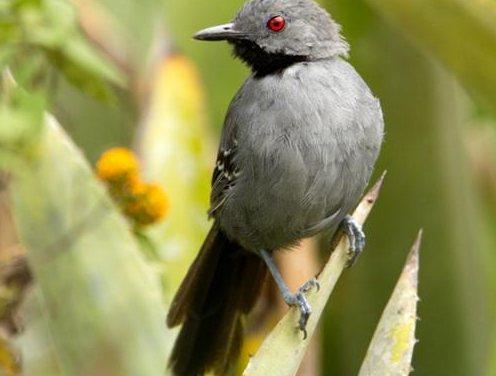
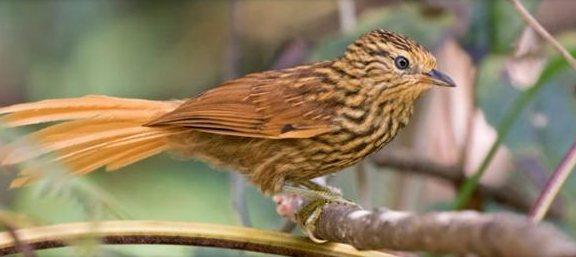
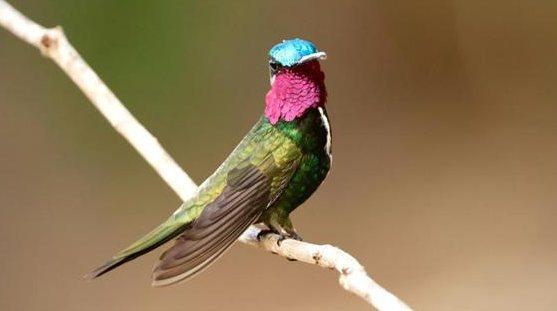
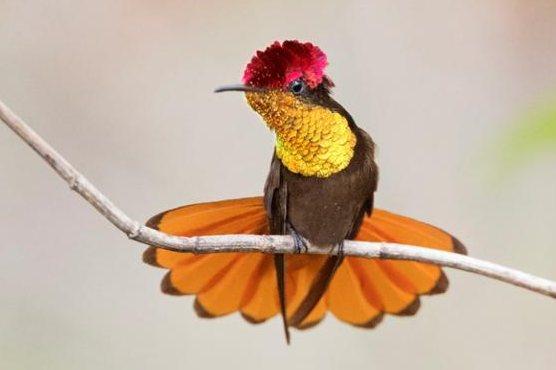
AM and PM Birding in Boa Nova and Poções area.
Transfer to Itacaré (+/-4hrs [200km]), with a stop en route at a forest fragment near Itororó to search for the rare Scalloped Antbird (Myrmoderus ruficauda). PM Birding.
Read more · 3 photos
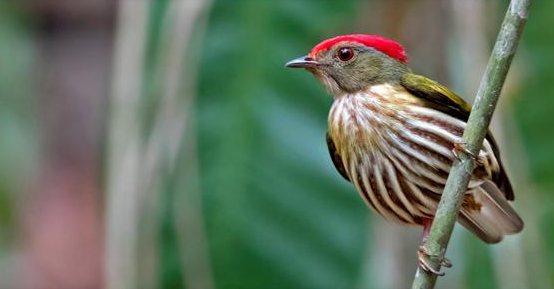
This region of South Coast Bahia is rich in endemism and special birds. With a vast area of remnants of lowland forest, some of them in private areas and other protected by Serra do Conduru State Park. Here we will be based in Itacaré, a famous touristic destination with marvelous forest, beaches, and waterfalls. From there we will do excursions to Maraú (north of Itacaré) to try to see the rare and endemic Bahia Tapaculo (Eleoscytalopus psychopompus). We will also explore the Serra do Conduru State Park, south of Itacaré. This State Park protects more than 9,000 hectares of Atlantic Forest and it is one of the most biodiverse areas of this biome, with 458 different tree species per hectare with a high index of endemism. This is reflected in the avifauna; a paradise to see manakins and many other interesting birds.
Our main target will be a very rare bird: the Endangered Bahia Tapaculo (Eleoscytalopus psychopompus). Other targets of this lowland Atlantic Forest will be Kinglet Manakin (Machaeropterus regulus), White-crowned Manakin (Pseudopipra pipra), Bluebacked Manakin (Chiroxiphia pareola), Scaled Antbird (Drymophila squamata), Black-cheeked Gnateater (Conopophaga melanops), Band-tailed Antwren (Myrmotherula urosticta), Cinereous-breasted Spinetail (Synallaxis hypospodia), Great-billed [Margaretta's] Hermit (Phaethornis malaris margarettae), White-bellied Tanager (Tangara brasiliensis), Opal-rumped [Silvery-breasted] Tanager (Tangara velia cyanomelas), the nominal race of White-fronted Nunbird (Monasa morphoeus morphoeus) and many others.
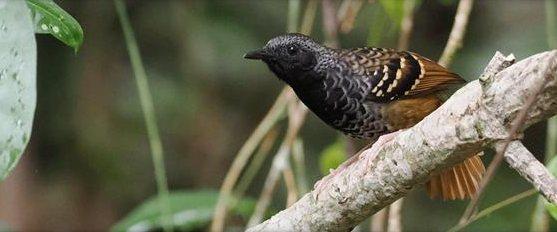
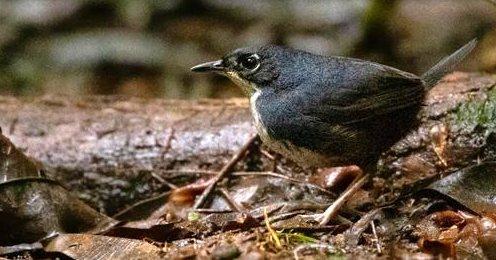
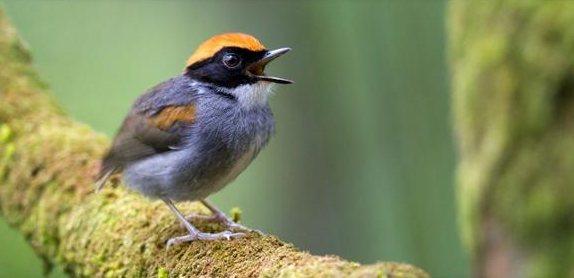
Transfer to Camacan (+/-3hrs [200km]), stopping on route to look for the Pink-legged Graveteiro (Acrobatornis fonsecai). In Camacan we will change to 4x4 vehicles to reach the highlands of Serra Bonita Reserve, where we will stay the next two nights.
Read more · 2 photos
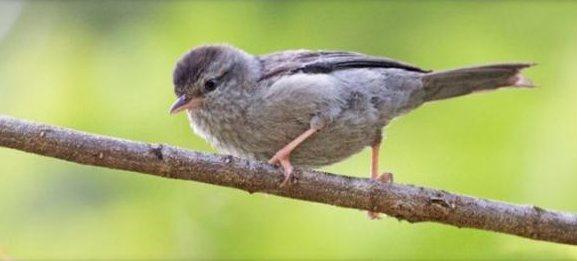
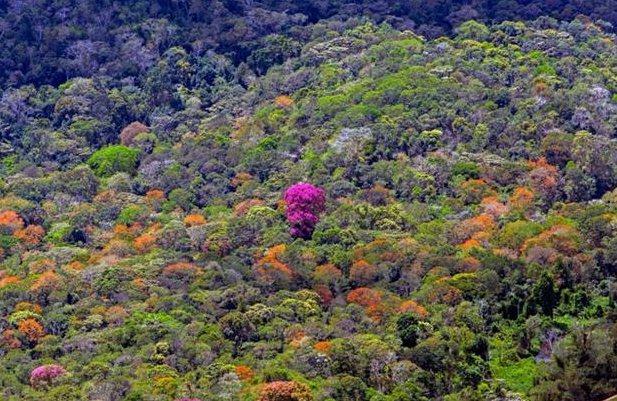
The Serra Bonita Reserve is a pioneering, innovative private conservation enterprise, protecting the sub-montane forest in Southern Bahia. This initiative started thanks to Vitor Becker and Clemira, who after retirement decided to dedicate their lives to the protection of this important and unique fragment of forest. It aims to protect the Atlantic Forest of the region through a consortium of several rural property owners, whose properties contain RppNs (private reserves). Altogether, they protect over 2,500 hectares. The RppNs are managed by Instituto Uiraçu, through agreements with the owners. In addition to managing these private reserves and its own, purchased through donations, the Institute aims to extend the protection of the entire Serra Bonita Mountain Range, one of the last remnants of sub-montane forest in the region, which covers an area of about 7,500 hectares, ranging from 200 to 1000 meters of altitude, in the municipalities of Camacan and Pau Brasil, Bahia. We will sleep in the highlands of the reserve, in the good hands of Vitor and Clemira, where we will enjoy the famous Serra Bonita Caipirinhas. Near the headquarters, they also have feeders for hummers and tanagers.
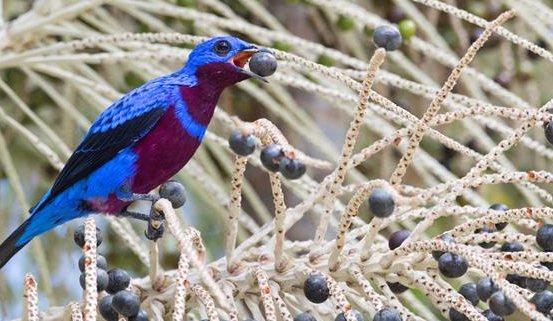
The main targets in the highlands are Bahia Tyrannulet (Phylloscartes beckeri), Plumbeous Antvireo (Dysithamnus plumbeus), Salvadori’s Antwren (Myrmotherula minor), Sharpbill (Oxyruncus cristatus), Lemon-chested [Rio de Janeiro/Bahia] Greenlet (Hylophilus thoracicus thoracicus), [Greater] Crescent-chested Puffbird (Malacoptila striata striata), the rare Atlantic race (to be split) of Rufous-brown Solitaire (Cichlopsis leucogenys leucogenys), Blue Manakin (Chiroxiphia caudata), Spot-backed Antshrike (Hypoedaleus guttatus), Spotbilled Toucanet (Selenidera maculirostris), Sombre Hummingbird (Eupetomena cirrochloris) and many more. If we are lucky enough to find a big mixed flock, we have chances of seeing the rare Bahia Treehunter (Heliobletus sp. nov.), which is still waiting for a formal description. Some birds we could see by the feeders include Maroon-bellied Parakeet (Pyrrhura frontalis), Red-necked (Tangara cyanocephala), Green-headed (Tangara seledon), Golden-chevroned (Thraupis ornata), Azure-shouldered (Thraupis cyanoptera) Tanagers and sometimes even the Spot-billed Toucanet. On the day we leave the reserve, we will spend some time birding in the lowlands where we will search for Kinglet Manakin (Machaeropterus regulus), White-eared (Pyrrhura leucotis), Ochre-marked (Pyrrhura cruentata) and Golden-capped Parakeets (Aratinga auricapillus), Black-necked Aracari (Pteroglossus aracari), atlantic race of Thrush-like Wren (Campylorhynchus turdinus turdinus), Yellow-rumped (Cacicus cela) and Red-rumped (Cacicus haemorrhous) Caciques, Chestnut-backed Antshrike (Thamnophilus palliatus), Yellow-fronted Woodpecker (Melanerpes flavifrons) and many more. In recent years, we sometimes see the beautiful and ultra-rare Banded Cotinga (Cotinga maculata) coming to feed on Açai Palm (ripe berries) near the headquarters of one of the properties in the lowlands. Let’s cross our fingers to be in the right place at the right time. We’ll have extra chances for the unique Pink-legged Graveteiro (Acrobatornis fonsecai), if we’re very lucky.
AM and PM Birding in Serra Bonita Reserve.
Read more · 3 photos
Transfer to Ilhéus (+/-3hrs [170km]) and flight to São Paulo.
Transfer to Trilha dos Tucanos (Tapiraí) (+/-3hrs [200km]) for AM and PM Birding.
Read more · 4 photos
Acquired in 1988 by Mrs. Maria Neumann (in memoriam) and inherited by Marco Antonio Neumann and his brother, the property was used only for family recreation and around the year 1999 the chalets (lodging) were established. The biggest supporter at that time was former mayor of Tapiraí, Mr. Kazuo Tiba. As at that time the concept of Birdwatching in Brazil was still shy, the lodging closed, and Marco Antonio Neumann moved with his family to the city of Sorocaba-SP. After several years, in 2014, Marco Antonio and his wife Patricia welcomed Tomas Sigrist, who envisioned the creation of a lodging dedicated exclusively to birdwatchers. Because of the rich avifauna, including many Atlantic Forest endemics and plenty of rare and threatened birds, Trilha dos Tucanos is now a big success in the Brazilian birdwatching community. You’ll love their feeders where there are never-ending possibilities of settings to capture the best possible shots. They have hummingbird feeders and fruit feeders, as well as a hide for some more secretive species. Visit their website for more information: http://trilhadostucanos.com.br/
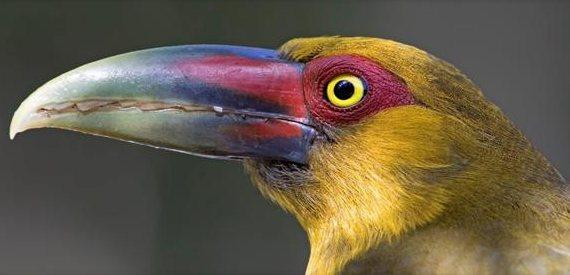
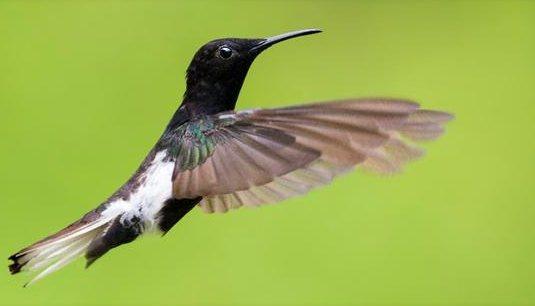
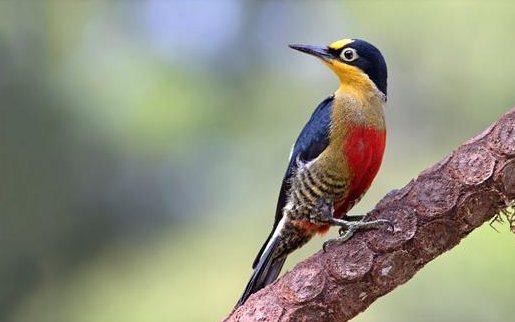
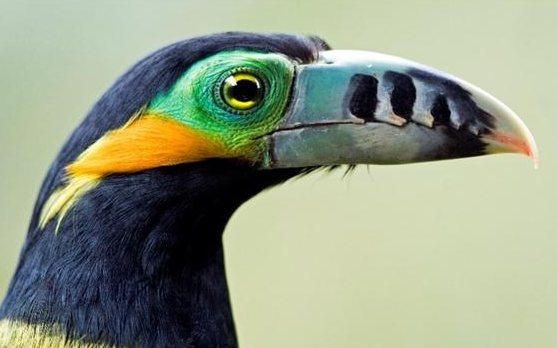
The most frequent visitors are Black Jacobin (Florisuga fusca), Rufous-breasted Hermit (Glaucis hirsutus), Scale-throated Hermit (Phaethornis eurynome), Brazilian Ruby (Heliodoxa rubricauda), Violet-capped Woodnymph (Thalurania glaucopis), Sombre Hummingbird (Eupetomena cirrochloris), Red-breasted Toucan (Ramphastos dicolorus), Spotbilled Toucanet (Selenidera maculirostris), Saffron Toucanet (Pteroglossus bailloni), Yellowfronted Woodpecker (Melanerpes flavifrons), Blond-crested Woodpecker (Celeus flavescens), Plain Parakeet (Brotogeris tirica), Maroon-bellied Parakeet (Pyrrhura frontalis), Rufousbellied Thrush (Turdus rufiventris), Chestnut-bellied Euphonia (Euphonia pectoralis), Goldenwinged Cacique (Cacicus chrysopterus), Red-rumped Cacique (Cacicus haemorrhous), Olivegreen Tanager (Orthogonys chloricterus), Blue Dacnis (Dacnis cayana), Black-throated Grosbeak (Saltator fuliginosus), Bananaquit (Coereba flaveola), Black-goggled Tanager (Trichothraupis melanops), Ruby-crowned Tanager (Tachyphonus coronatus), Magpie Tanager (Cissopis leverianus), Azure-shouldered Tanager (Thraupis cyanoptera), Goldenchevroned Tanager (Thraupis ornata) and Green-headed Tanager (Tangara seledon). In the hide the most common visitors are Grey-fronted Dove (Leptotila rufaxilla), Brown Tinamou (Crypturellus obsoletus), Slaty-breasted Wood Rail (Aramides saracura), Half-collared Sparrow (Arremon semitorquatus) and Ruddy Quail-Dove (Geotrygon montana).
AM and PM Birding in Trilha dos Tucanos.
AM Birding. Transfer to Peruíbe (+/-2½hrs [130km]). PM Birding.
Read more · 3 photos
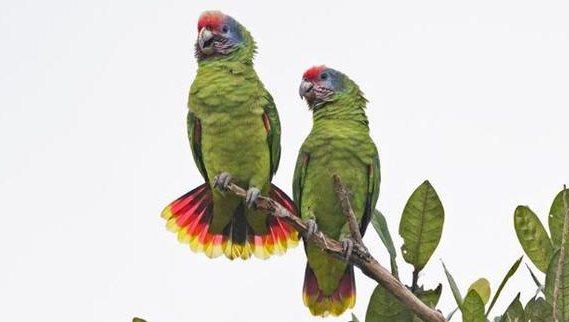
We will be birding in Restinga environment, on sandy and nutrientimpoverished soils that are frequently associated with low-elevation plains characterized by the presence of beach ridges and lagoonal systems. Only 150km away from the capital, this region of Peruíbe is known for its touristic beaches and ecologic tourism. This is an interesting area to be on the tour, since it is the northern distribution limit of the range-restricted and endemic Red-tailed Amazon (Amazona brasiliensis) and for that reason, we will go to a neighboring city called Itanhaém to look for the parrot.
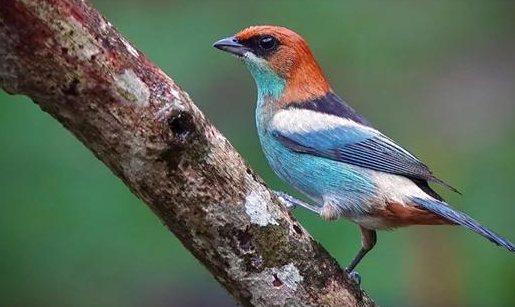
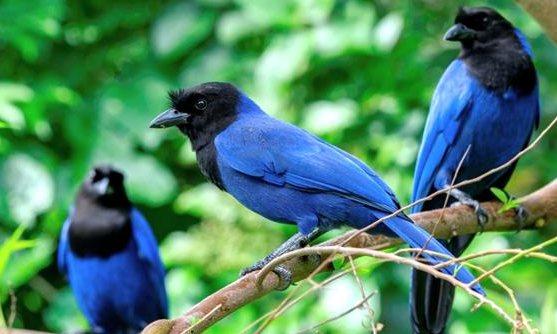
Besides the Red-tailed Amazon, there are other species worth highlighting, like the Azure Jay (Cyanocorax caeruleus), Black-backed Tanager (Stilpnia peruviana), Channel-billed [Ariel] Toucan (Ramphastos vitellinus ariel), Buff-bellied Puffbird (Notharchus swainsoni), Blond-crested Woodpecker (Celeus flavescens), Grey-hooded Attila (Attila rufus), [Atlantic] Long-billed Wren (Cantorchilus longirostris longirostris), Squamate Antbird (Myrmoderus squamosus), Unicolored Antwren (Myrmotherula unicolor), Robust Woodpecker (Campephilus robustus), Little Wood Rail (Aramides mangle) and Bicolored Conebill (Conirostrum bicolor).
AM Birding and transfer to Ubatuba (+/-5hrs [350km]) for PM Birding.
Read more · 2 photos
The coastal northernmost municipality of São Paulo is almost totally covered by Atlantic Forest, with many kinds of environments, going from the sea to the mountains. The variety of environments contributes to the rich biodiversity in the area, where it is possible to find more than 450 bird species. Most of the forest is protected by the Serra do Mar State Park, which comprises almost the entire São Paulo State Coast with 332,000 hectares.
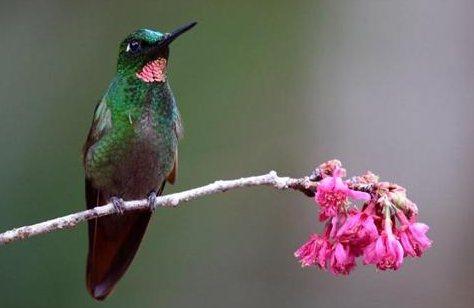
Fork-tailed Tody-Tyrant (Hemitriccus furcatus), Sao Paulo Bristle Tyrant (Pogonotriccus paulista), Ochre-breasted Foliage-gleaner (Anabacerthia lichtensteini), Blackcheeked Gnateater (Conopophaga melanops), Chestnut-bellied Euphonia (Euphonia pectoralis), Red-necked Tanager (Tangara cyanocephala), Green Honeycreeper (Chlorophanes spiza), Slaty Bristlefront (Merulaxis ater), Rufous-capped Antthrush (Formicarius colma). Here are some of the hummingbirds we could see in the Ubatuba area: Saw-billed Hermit (Ramphodon naevius), Black-throated Mango (Anthracothorax nigricollis), Brazilian Ruby (Heliodoxa rubricauda), Sombre Hummingbird (Eupetomena cirrochloris), Glittering-throated Emerald (Chionomesa fimbriata), Versicolored Emerald (Chrysuronia versicolor), Black Jacobin (Florisuga fusca), Scale-throated Hermit (Phaethornis eurynome), Festive Coquette (Lophornis chalybeus), White-chinned Sapphire (Chlorestes cyanus) and more.
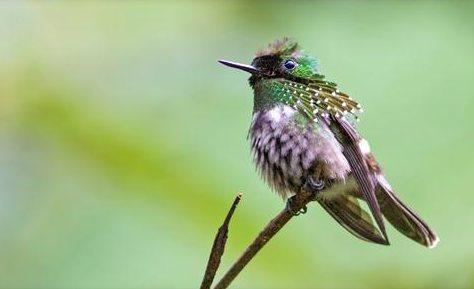
AM Birding if we have time and transfer back to São Paulo (+/-3hrs [210km]) for departures.
Visual journey
Make it yours
Every trip we design is unique, built around your wish list, dates and dream destinations.
Start planning my tripThis is a sample itinerary from a past custom trip. Every tailored tour is built around your dates, pace and target list.