
Regional Hub
South Brazil
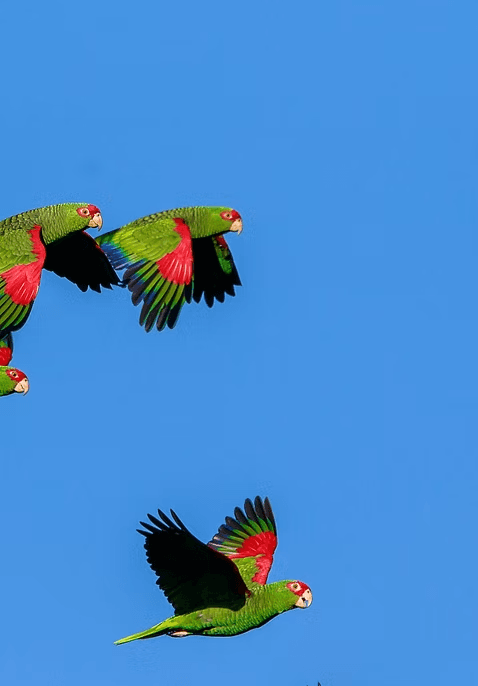
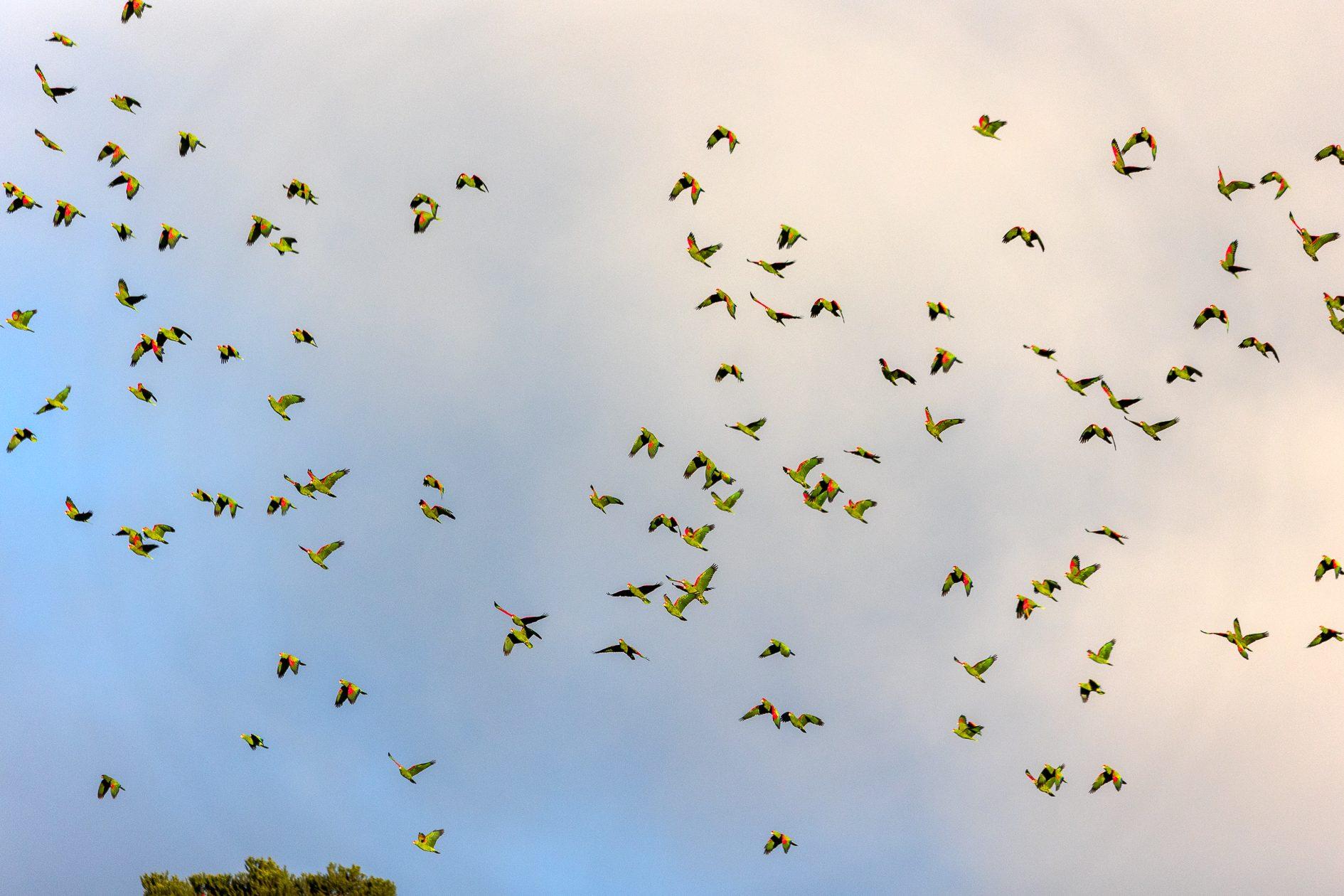
Araucaria highlands, coastal lagoons and the pampa of the Uruguayan border, where Brazil turns temperate and the Red-spectacled Parrots gather by the thousands.
ParanáSanta CatarinaRio Grande do Sul
Araucaria forestHighland camposPampaCoastal lagoons
Birding South Brazil
The deep south of Brazil trades tropical heat for araucaria highlands, open pampa, and coastal lagoons, with a cooler, more temperate feel.
Across Paraná, Santa Catarina, and Rio Grande do Sul, the landscape shifts from the Brazilian-pine (Araucaria) forests of the plateau to the grasslands of the Uruguayan border, carrying the gaúcho culture, the churrasco, and the erva-mate traditions that define the region.
For birders it is a world of southern specialties: the rare Helmeted Woodpecker, the Araucaria Tit-Spinetail, tied to the Araucaria pines, and the Long-tailed Cinclodes of the high campos, the shorebird spectacle of Lagoa do Peixe, and the rare seedeaters of the pampa.
Our current South Brazil departures are listed further down this page, and we also build private itineraries around your targets Tailored Travel. For the story of the Red-spectacled Parrot gathering at Urupema, read The Red-spectacled Parrot Festival in Southern Brazil.
Quick Reference
A temperate, cool-climate journey from majestic waterfalls and ancient Araucaria pine forests to the vast, windswept pampas of the Uruguayan border.
At a Glance
Signature Birds
Red-spectacled Parrot, gathering by the thousands at Urupema in autumn/winter; Vinaceous-breasted Parrot; Helmeted Woodpecker; Araucaria Tit-Spinetail; Long-tailed Cinclodes; Saffron-cowled Blackbird and Black-and-white Monjita on the campos; the migratory seedeaters of the pampa; and Nearctic shorebirds at Lagoa do Peixe.
Habitats
Araucaria forest on the southern plateau, the highland campos around Urupema and São Francisco de Paula, the Atlantic Forest of the Santa Catarina coast around Joinville, the lagoons and dunes of Lagoa do Peixe, and the pampa of Bagé, on the Uruguayan border.
Pace and Terrain
Rated 2/5 (Easy-Moderate) on all southern tours. Light walking of 2 to 4 km (1 to 2.5 miles) a day on firm ground; the effort is the driving, with a few road days of four to six hours across three states. Mild by day, cold in the highlands, with frost in winter. Groups of eight at most.
Beyond the Birds
Gaúcho culture, the churrasco and the erva-mate, Urupema, the coldest town in Brazil, and, on the Complete tour, the falls of Iguaçu and the Iberá marshes across the border in Argentina.
Highlights
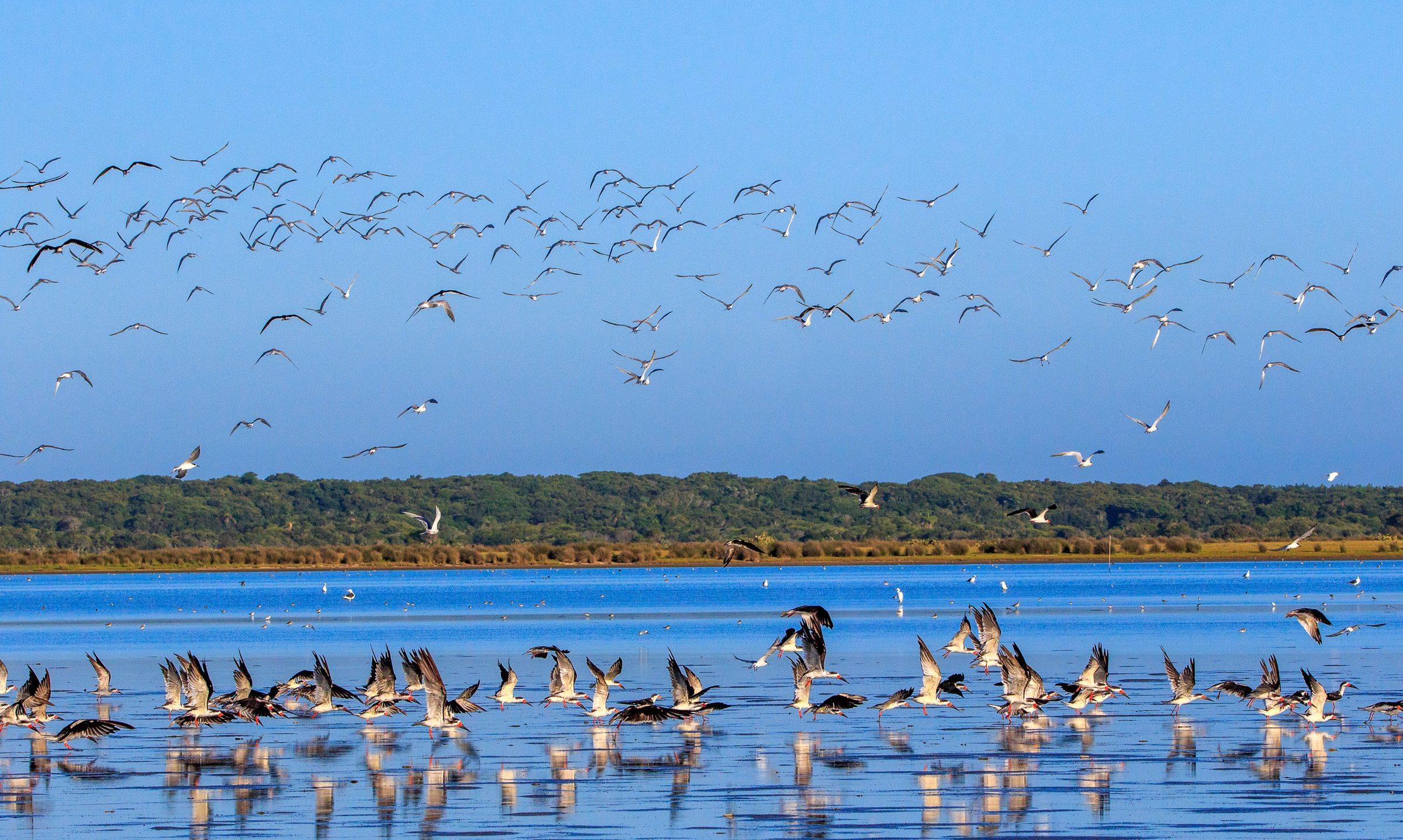
Lagoa do Peixe
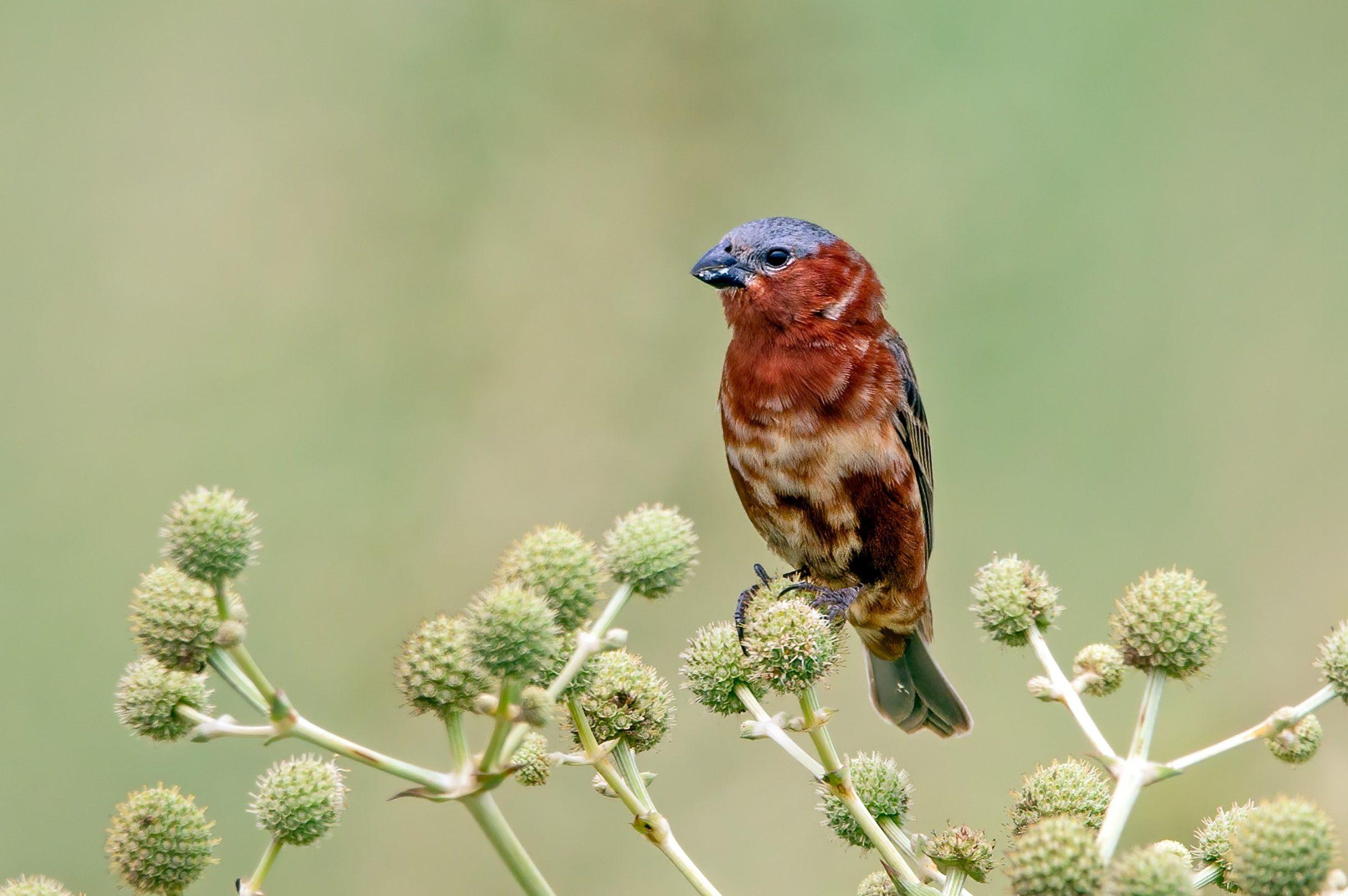
Migratory Seedeaters
Best Time to Visit South Brazil
The South is the one region where the calendar turns on temperature rather than rain. Rain falls in every month, so there is no dry season to plan around; what changes is the cold, with frost routine on the highland plateaus from June to August. For a general birding trip the South is prime from September to January, when the campos and the pampas come alive: the Saffron-cowled Blackbird, the Black-and-white Monjita and the migratory seedeaters display and breed, and Lagoa do Peixe fills with Nearctic shorebirds. Winter, from June to August, is very good, with the Araucaria specialists in place and clear, cold days. February to May is good. And then there is the parrot: from mid-March the Red-spectacled Parrots gather in the Araucaria forests around Urupema, numbers peak in May, and on the best evenings you can count thousands in a single flight. If that spectacle is your reason to come south, ignore the grid and come in late April or May.
Jan
Feb
Mar
Apr
May
Jun
Jul
Aug
Sep
Oct
Nov
Dec
Prime
Good
Good
Good
Good
Very Good
Very Good
Very Good
Prime
Prime
Prime
Prime
Prime
Very Good
Good
Off-Season

Our Tours in South Brazil
Our set departures in South Brazil. For private dates and custom routes, see Tailored Travel.

South
South Brazil Complete Tour - January
Jan 18 to Feb 7, 2028
From the falls of Iguaçu to the open pampas, the Araucaria forests, coastal lagoons, and marshes of southern Brazil.
View more
South
South Brazil Popular Tour - November
Nov 21 to Dec 3, 2028
From the araucaria highlands of Urupema and the Long-tailed Cinclodes to the rare seedeaters and gaúcho country of the pampas
View more
Southeast · South
Southeast/South Supreme Tour
Nov 17 to Dec 14, 2027
Welcome to the Southeast/South Brazil Supreme Tour!
View more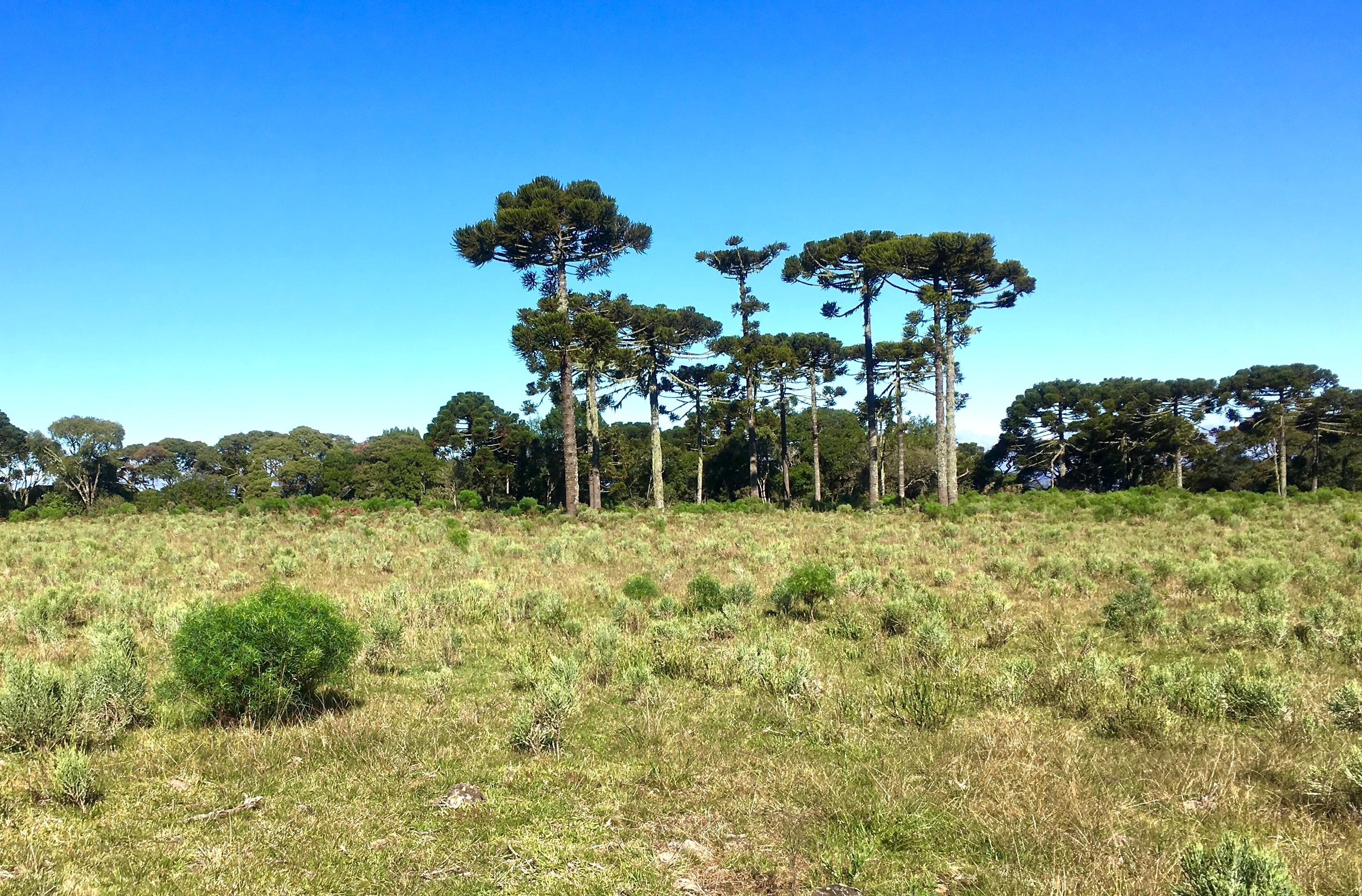
Customize your experience
Ready to Explore South Brazil?
Tell us your targets, your dates and the pace you like, and we will build the route around them. Ornithologist guides, and groups of eight at most.