
Regional Hub
Northeast Brazil
Brazil's endemism frontier: Caatinga, Atlantic Forest and Cerrado, from the single plateau of the Araripe Manakin to the canyons where Lear's Macaw leaves the cliffs at dawn.
CearáBahiaPernambucoAlagoasPiauíParaíbaSergipeMaranhão
CaatingaAtlantic ForestCerradoBrejos de altitudeCampo RupestreMangrove
Birding Northeast Brazil
Brazil's Northeast is the country's great endemism frontier, a mosaic of Caatinga dry forest, Atlantic Forest fragments, and Cerrado spread from Ceará to Bahia.
It is a region of dramatic contrasts: the sculptural, drought-adapted Caatinga, the only biome unique to Brazil; humid mountaintop forest islands, the brejos de altitude, surrounded by dry country; the canyons of Canudos; and the threatened coastal forest of the Pernambuco Center of Endemism.
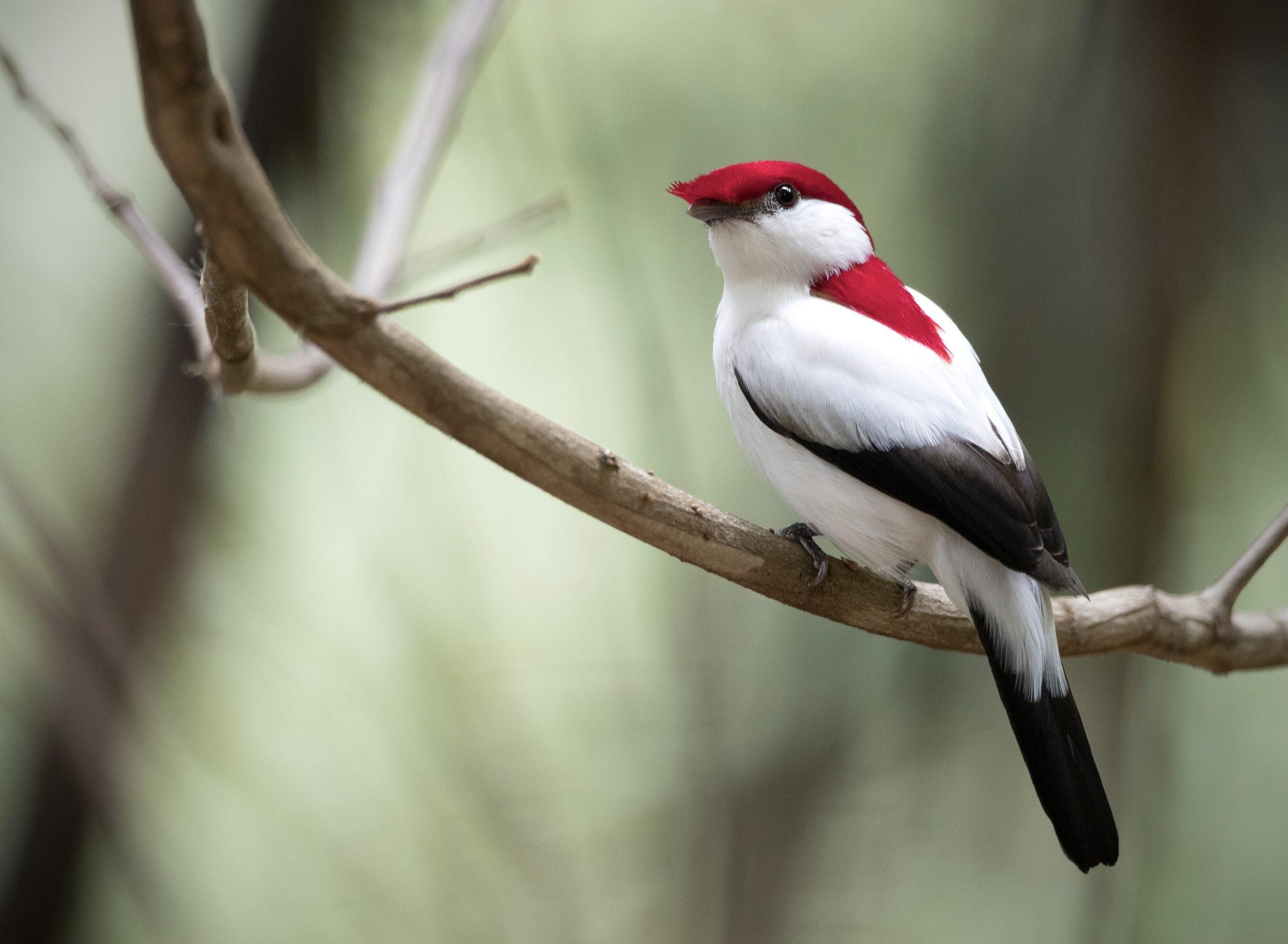
For birders it means trophies found nowhere else, led by the Araripe Manakin, restricted to a single plateau, and Lear's Macaw at Canudos, alongside a roll call of critically endangered Atlantic Forest endemics. Culturally it is a heartland of Brazilian folk tradition, cuisine, and music, and our routes thread that human landscape as much as the wild one.
Our current Northeast departures are listed further down this page, and we also build private itineraries around your targets Tailored Travel. Read the story of the bird that changed the life of our co-founder in A Bird That Changed Lives: The Araripe Manakin, meet the White-browed Guan of the Caatinga in Jacucaca: Ecology, Survival, and Conservation in Brazil's Caatinga, see what the region holds beyond the birds in Chapada Diamantina Beyond the Birds and our profile of Sítio Pau Preto, a Caatinga refuge in southern Ceará State.
Quick Reference
A high-endemism wonderland where desert-like thorny forests meet high-altitude humid islands, offering the chance to find nearly 100 endemic species.
At a Glance
Signature Birds
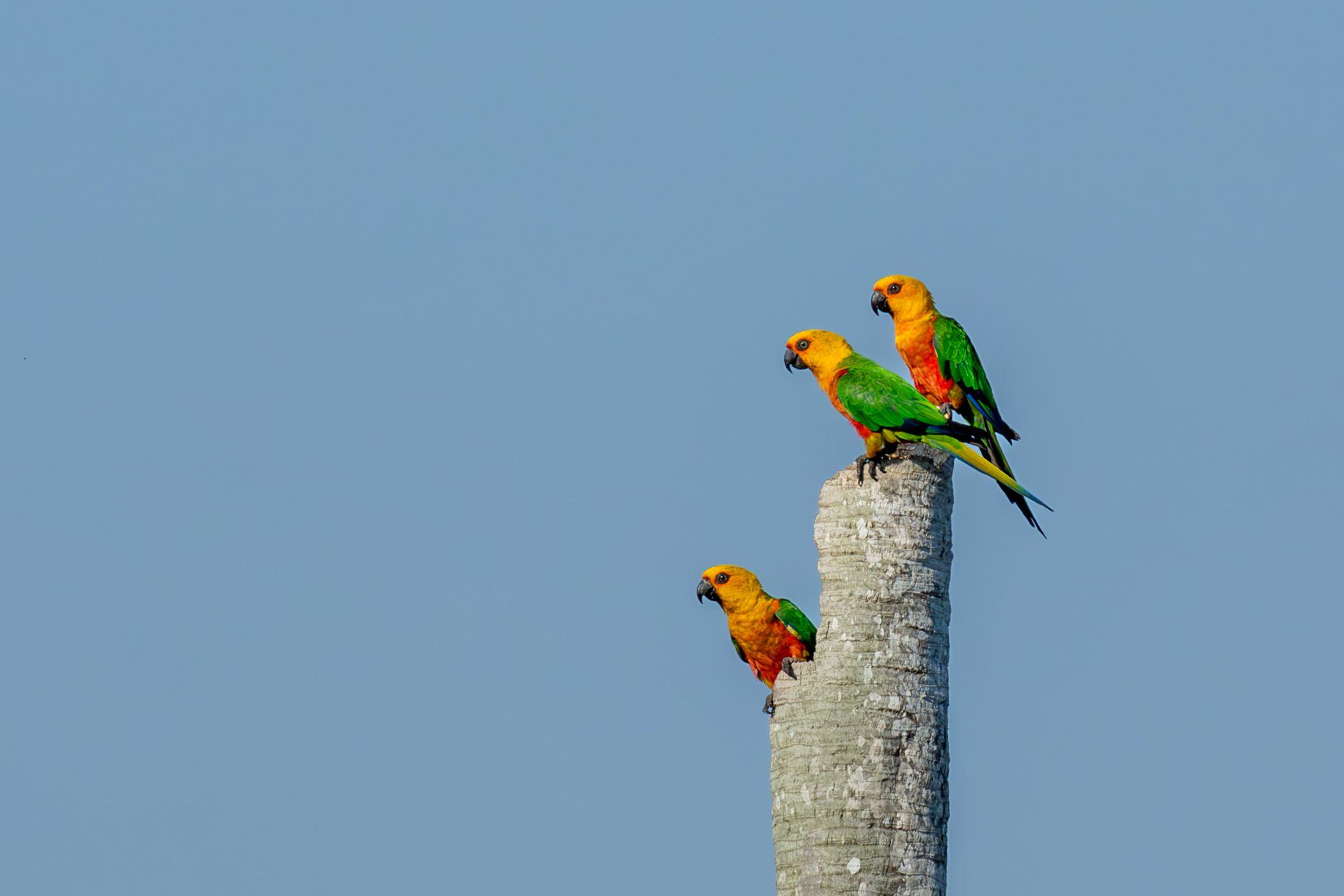
Araripe Manakin, Critically Endangered and found only on the Chapada do Araripe; Lear's Macaw at the canyons of Canudos; Seven-colored Tanager; Grey-breasted Parakeet in the Baturité mountains; Hooded Visorbearer in the Chapada Diamantina; White-browed Guan in the Caatinga. Nearly 100 endemics on the 18-day Popular alone.
Habitats
Caatinga, the only biome found entirely within Brazil; the brejos de altitude, humid forest islands ringed by dry country; the Atlantic Forest fragments of the Pernambuco Center of Endemism; the Cerrado and campo rupestre of the Chapada Diamantina; and the coast, with its mangroves and shorebirds.
Pace and Terrain
Rated 2/5 (Easy-Moderate) on the Popular and the Extension, 3/5 (Moderate) on the Supreme, which has two days with steep climbs. Walking is light, usually 2 to 4 km (1 to 2.5 miles) a day on firm, dry ground. Days are warm, 28 to 34°C (82 to 93°F), with a midday break. Groups of eight at most.
Beyond the Birds
The music and folk traditions of the sertão, the food along the way (Alcino's breakfast has become a legend on our tours), the canyons of Canudos, and the waterfalls, caves and trails of the Chapada Diamantina.
Highlights
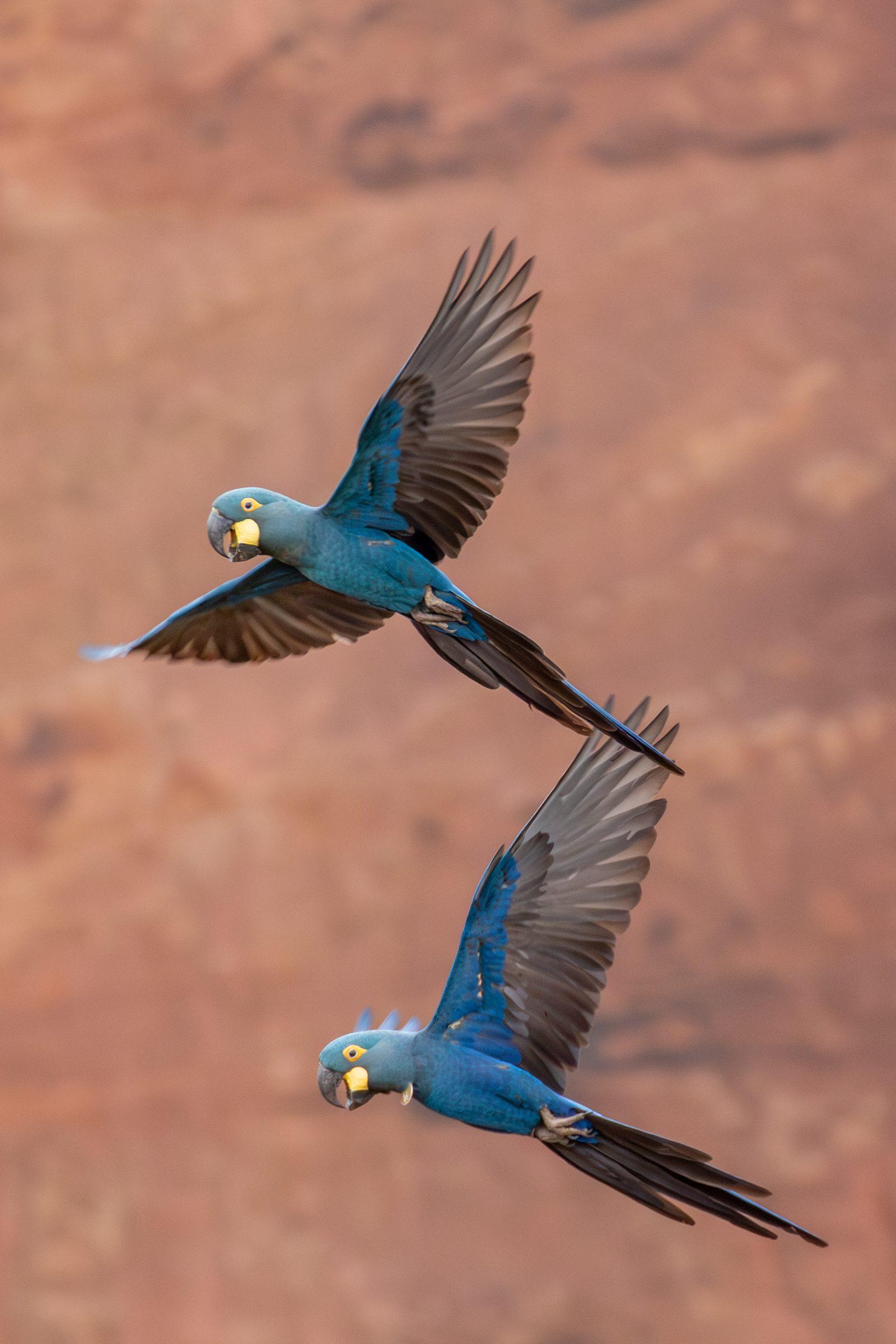
Lear's Macaw at Canudos
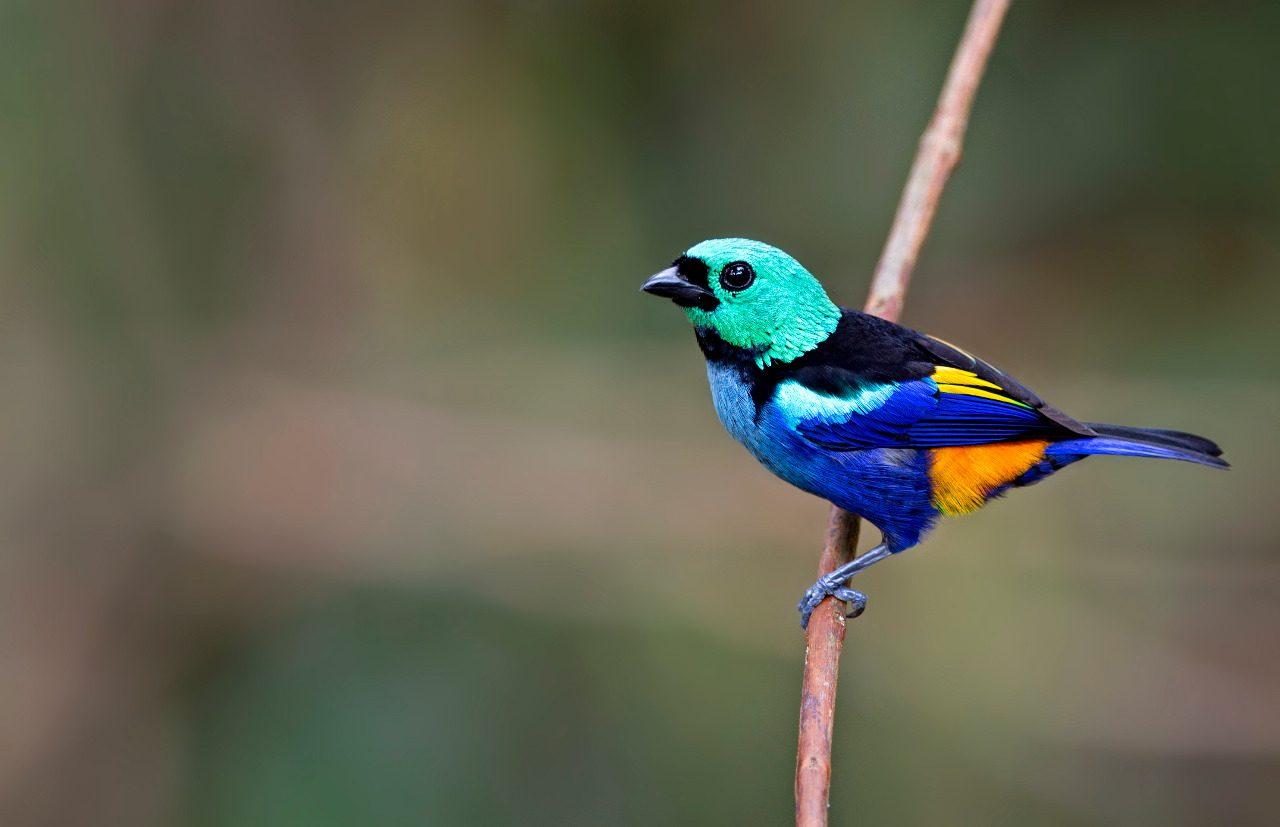
Pernambuco Center of Endemism
Best Time to Visit Northeast Brazil
The Northeast runs on two clocks. In the interior, the Caatinga waits for rains that fall mostly from January to April, and turns green almost overnight when they arrive. On the coast, the Atlantic Forest of Pernambuco and Alagoas keeps the opposite calendar, with its rains from April to July and its driest months from October to December. For a general birding trip the region is prime from October to January, when the coast is dry and the leafless Caatinga makes its birds easy to see, very good in February and March, when the interior greens with the rains, and again in August and September. April and May are fair: still good birding, with higher odds of losing a day to rain. The Araripe Manakin and Lear's Macaw can be seen in any month, and we run Northeast tours from July to February.
Jan
Feb
Mar
Apr
May
Jun
Jul
Aug
Sep
Oct
Nov
Dec
Prime
Very Good
Very Good
Off-Season
Off-Season
Good
Good
Very Good
Very Good
Prime
Prime
Prime
Prime
Very Good
Good
Off-Season

Our Tours in Northeast Brazil
Our set departures in Northeast Brazil. For private dates and custom routes, see Tailored Travel.

Popular
Northeast
Northeast Popular - January
Jan 17 to Feb 3, 2027
Nearly a hundred endemics, including Araripe Manakin, Lear's Macaw, and the flavors of the Brazilian Northeast.
View more
Popular
Northeast
Northeast Popular - September
Sep 20 to Oct 7, 2027
Nearly a hundred endemics, including Araripe Manakin, Lear's Macaw, and the flavors of the Brazilian Northeast.
View more
Popular
Northeast
Northeast Popular - November
Nov 21 to Dec 8, 2027
Nearly a hundred endemics, including Araripe Manakin, Lear's Macaw, and the flavors of the Brazilian Northeast
View more
Customize your experience
Ready to Explore Northeast Brazil?
Tell us your targets, your dates and the pace you like, and we will build the route around them. Ornithologist guides, and groups of eight at most.