
Regional Hub
Central Brazil
The Cerrado, Brazil's underrated great savanna: Pfrimer's Parakeet in the karst country of Terra Ronca, riverine endemics on the Araguaia River, and the grasslands of Emas National Park, where Giant Anteaters and Maned Wolves still walk.
GoiásTocantinsDistrito Federal
Cerrado grasslandsGallery forestsKarst countryCerradão
Birding Central Brazil
Central Brazil is the realm of the Cerrado, the country's vast and underrated tropical savanna, and one of the world's most biodiverse and most threatened grasslands.
Across Goiás and Tocantins, plateaus, waterfalls, gallery forests, and karst country shelter a distinctive open-country avifauna found in no other biome.
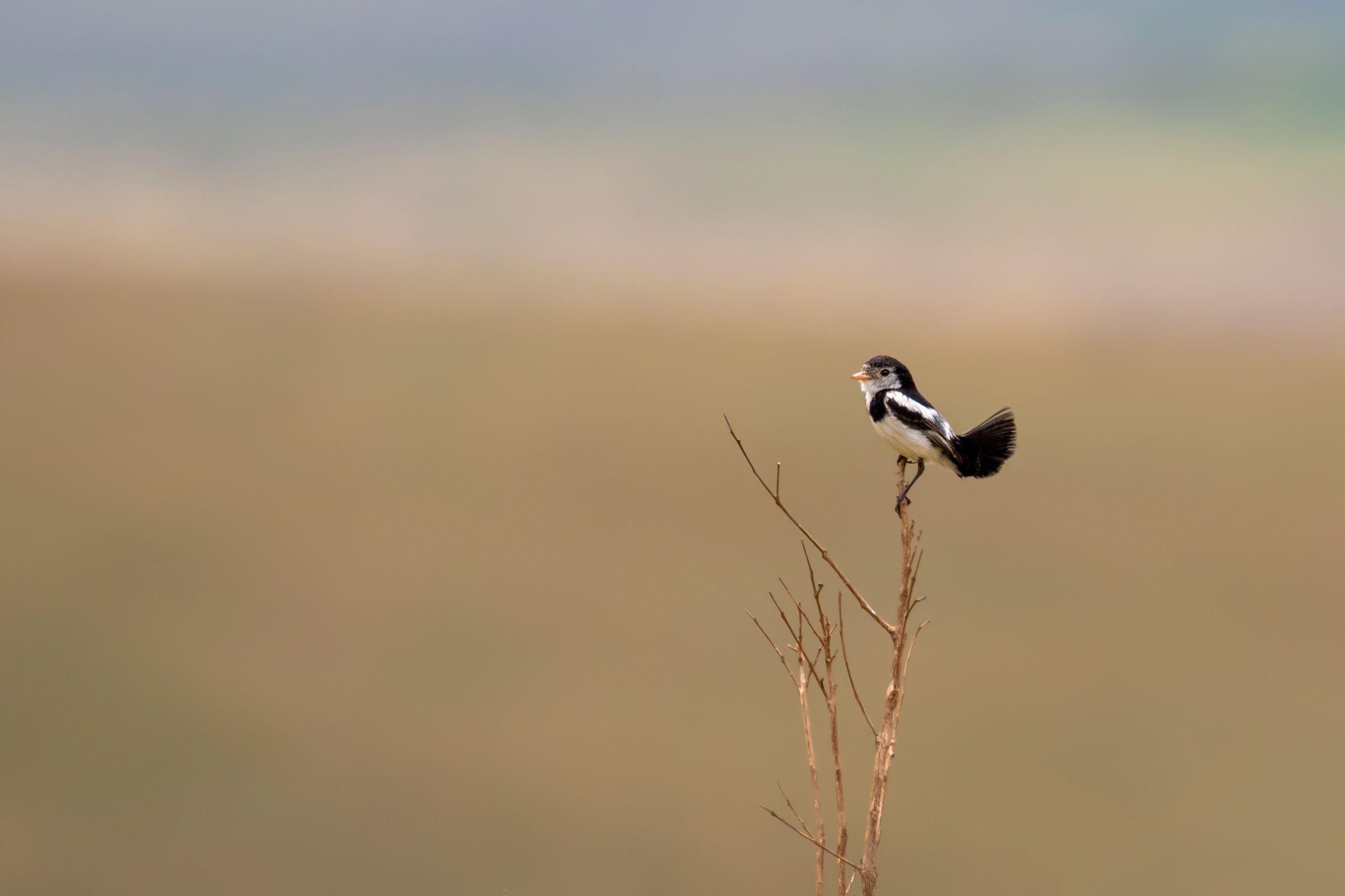
For birders the Cerrado means specialties like Pfrimer's Parakeet, the Cock-tailed Tyrant, and the riverine endemics of the Araguaia, set against grasslands that still hold Giant Anteaters and Maned Wolves. It is the geographic heart of Brazil, beside the modernist capital, Brasília.
Our current Central Brazil departures are listed further down this page, and we also build private itineraries around your targets Tailored Travel. For the full picture of the region, read Central Brazil: Into the Heart of the Cerrado.
Quick Reference
A journey into the ancient, highly biodiverse Cerrado savanna to discover cave-dwelling parakeets, riverine specialists, and unique grassland wildlife.
At a Glance
Signature Birds
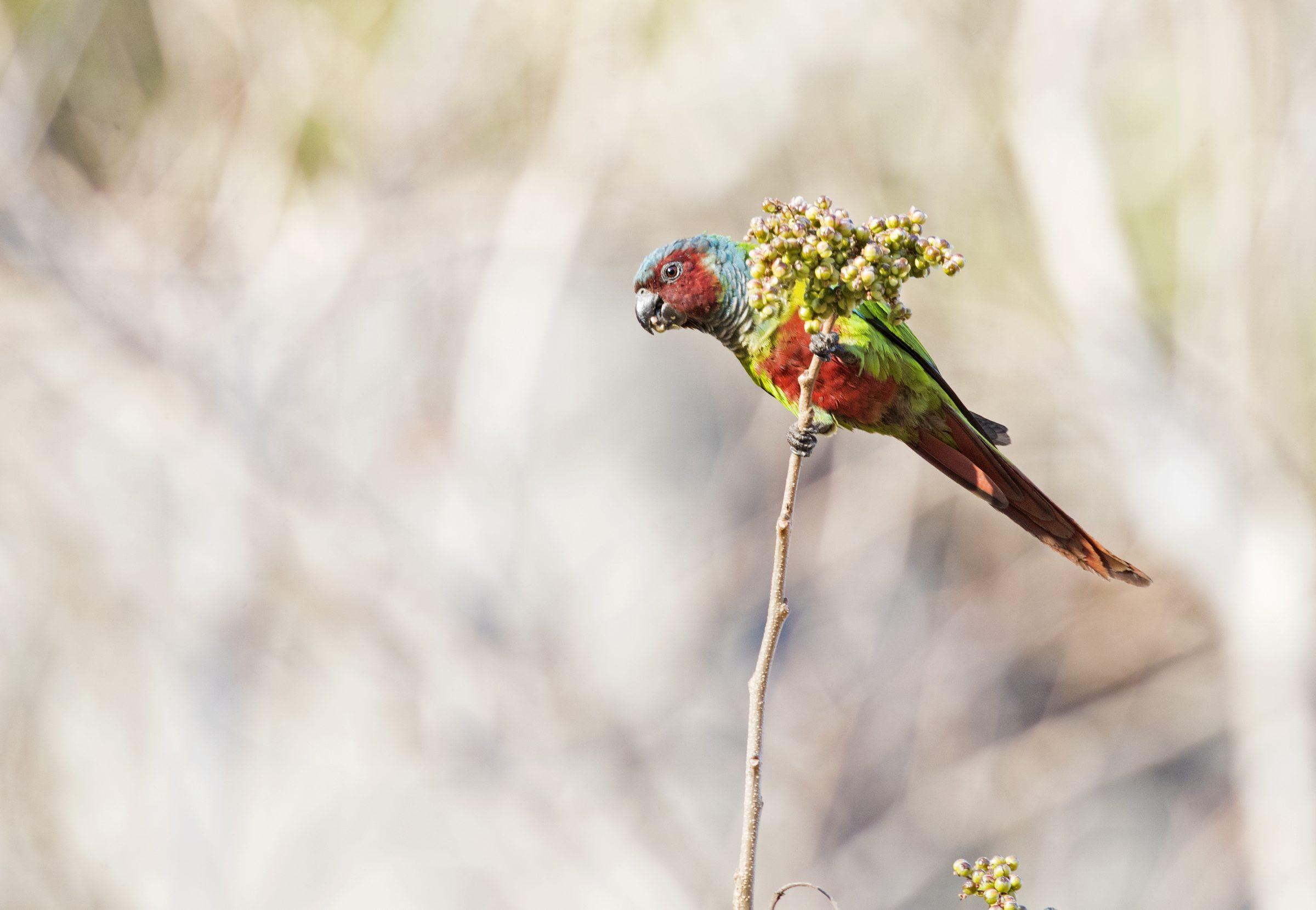
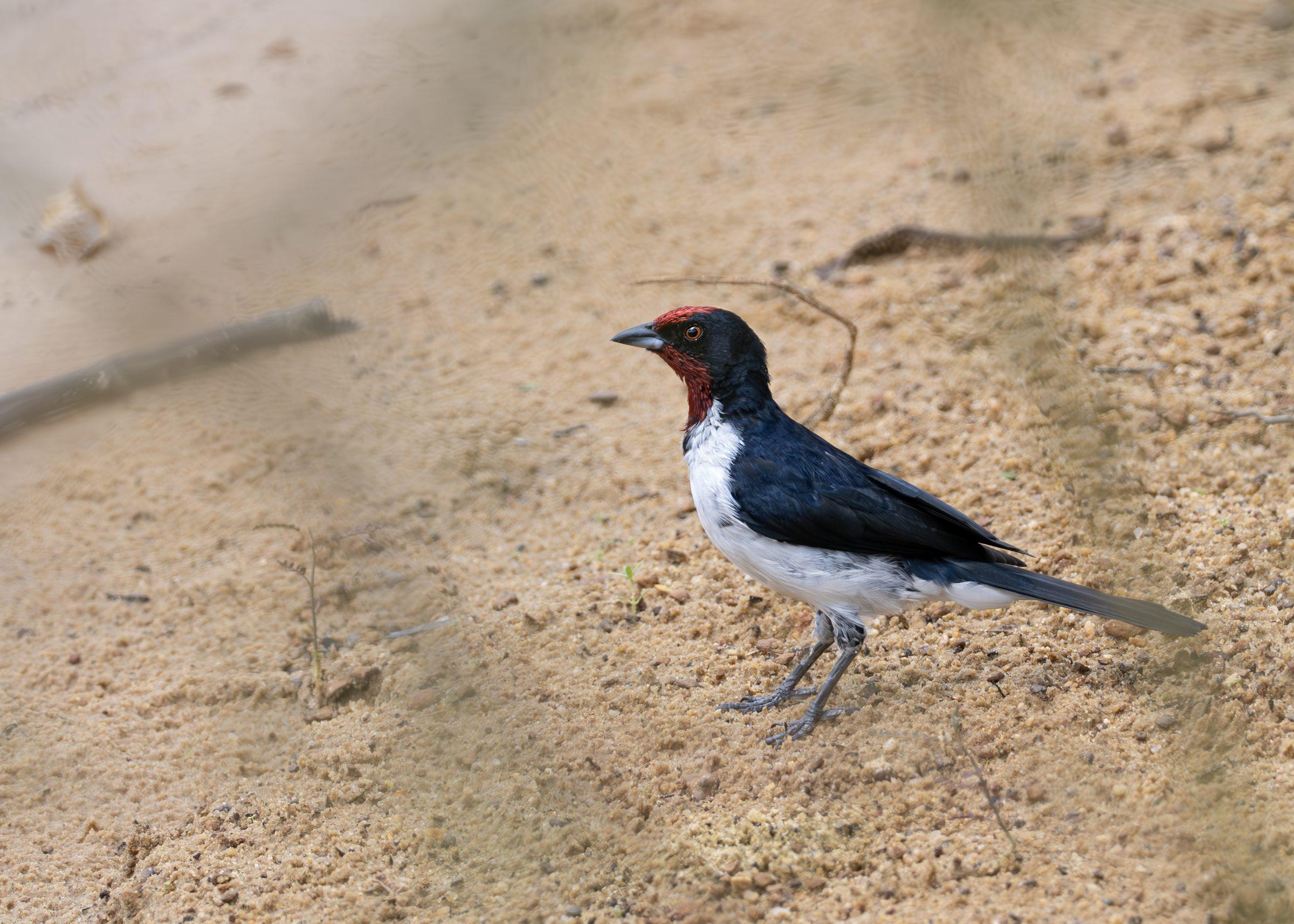
Pfrimer's Parakeet in the limestone dry forests of Terra Ronca; Cock-tailed Tyrant and Chapada Flycatcher over the grasslands; Araguaia Spinetail and Bananal Antbird on the river; White-winged Nightjar and the open-country birds of Emas; and the Horned Sungem, a hummingbird of the Cerrado.
Habitats
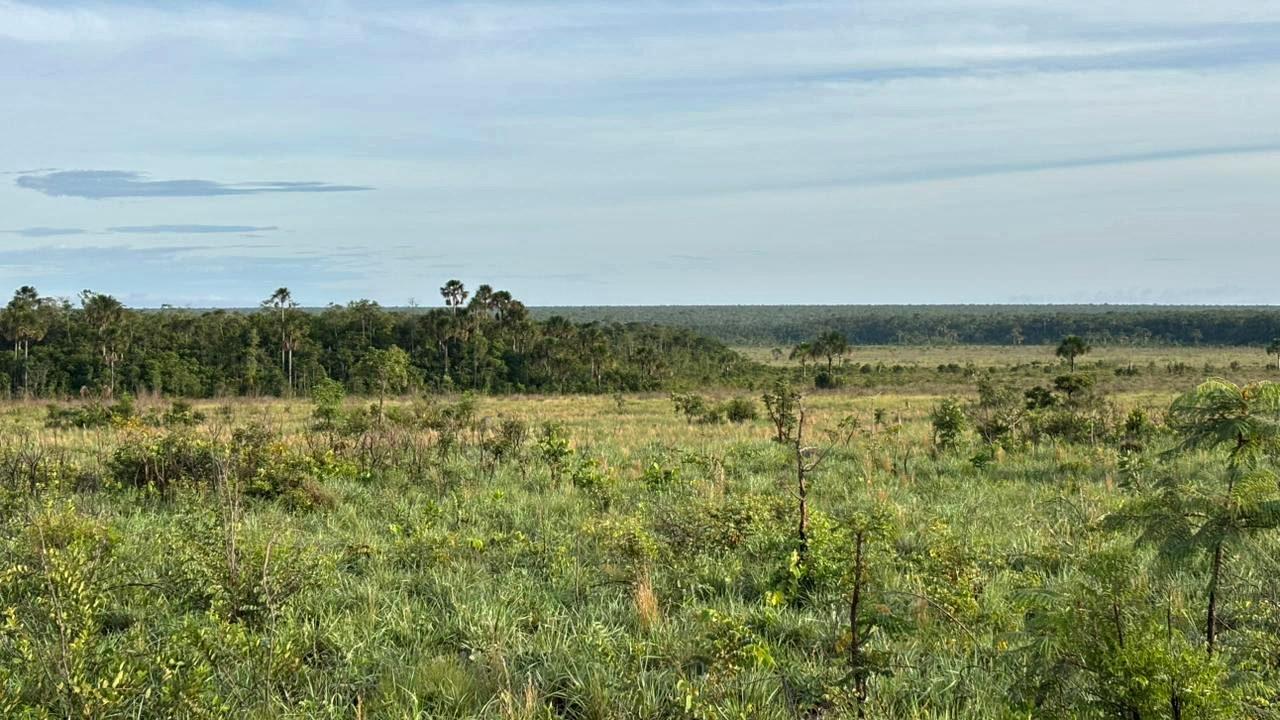
The Cerrado in every one of its forms: campo limpo grassland, cerrado sensu stricto, cerradão, gallery forest, the karst dry forests of Terra Ronca, the plateaus and waterfalls of Chapada dos Veadeiros, and the Araguaia River.
Pace and Terrain
Rated 2/5 (Easy-Moderate). Light, self-paced walking of 2 to 4 km (1 to 2.5 miles) a day on firm, dry ground, much of it from the vehicle. The demands are the dry heat, often above 35°C (95°F), and a few road transfers of four to six hours. A relaxed boat trip on the Araguaia. Groups of eight at most.
Beyond the Birds
Giant Anteaters and Maned Wolves in the open, the caves of Terra Ronca, the waterfalls of Chapada dos Veadeiros, river dolphins and Giant Otters on the Araguaia, the termite mounds of Emas glowing at night between October and December, and Brasília, the modernist capital.
Highlights
Araguaia River Specialists
Emas National Park
Best Time to Visit Central Brazil
Central Brazil keeps the dry-winter, wet-summer clock of the Pantanal, with different consequences. From May to August the plateau is very dry, the skies are clear and the grass turns to straw, and the tracks into Chapada dos Veadeiros, Terra Ronca, the Araguaia and Emas are at their best, in a landscape that hides nothing. Then the rains break, usually in October, and the Cerrado breeds: Cock-tailed Tyrants display over the grass, White-winged Nightjars call at dusk in Emas, and between October and December the termite mounds light up at night with bioluminescent beetle larvae. The region is prime from July to November, very good in May, June and December, and good from January to April, when the grass is tall and the wide views of the dry season are gone. Our set departure is placed in October, right on the hinge between dry and wet.
Jan
Feb
Mar
Apr
May
Jun
Jul
Aug
Sep
Oct
Nov
Dec
Good
Good
Good
Good
Very Good
Very Good
Very Good
Prime
Prime
Prime
Prime
Very Good
Prime
Very Good
Good
Off-Season

Our Tours in Central Brazil
Our set departures in Central Brazil. For private dates and custom routes, see Tailored Travel.

Central
Central Brazil Tour
Oct 5 to Oct 17, 2027
Every face of the Cerrado, from the endemic Pfrimer’s Parakeet and the Araguaia’s Bananal Antbird to the grasslands of Emas, where Maned Wolves roam
View more
Central
Central Brazil Tour - October
Oct 18 to Oct 30, 2028
Every face of the Cerrado, from the endemic Pfrimer’s Parakeet and the Araguaia’s Bananal Antbird to the grasslands of Emas
View more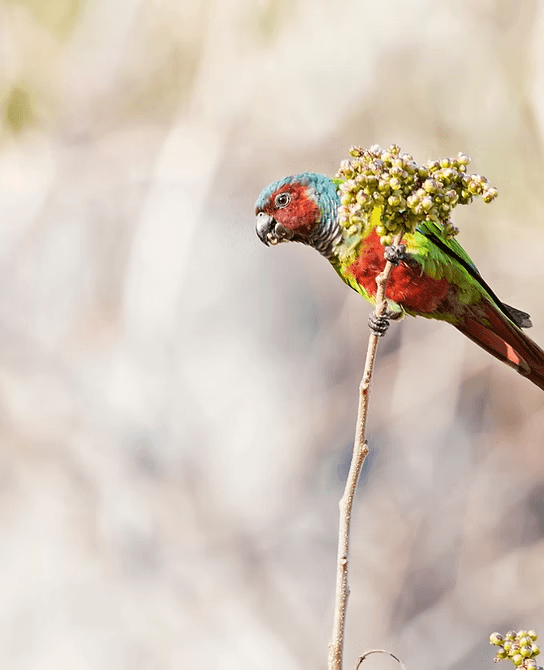
Customize your experience
Ready to Explore Central Brazil?
Tell us your targets, your dates and the pace you like, and we will build the route around them. Ornithologist guides, and groups of eight at most.