
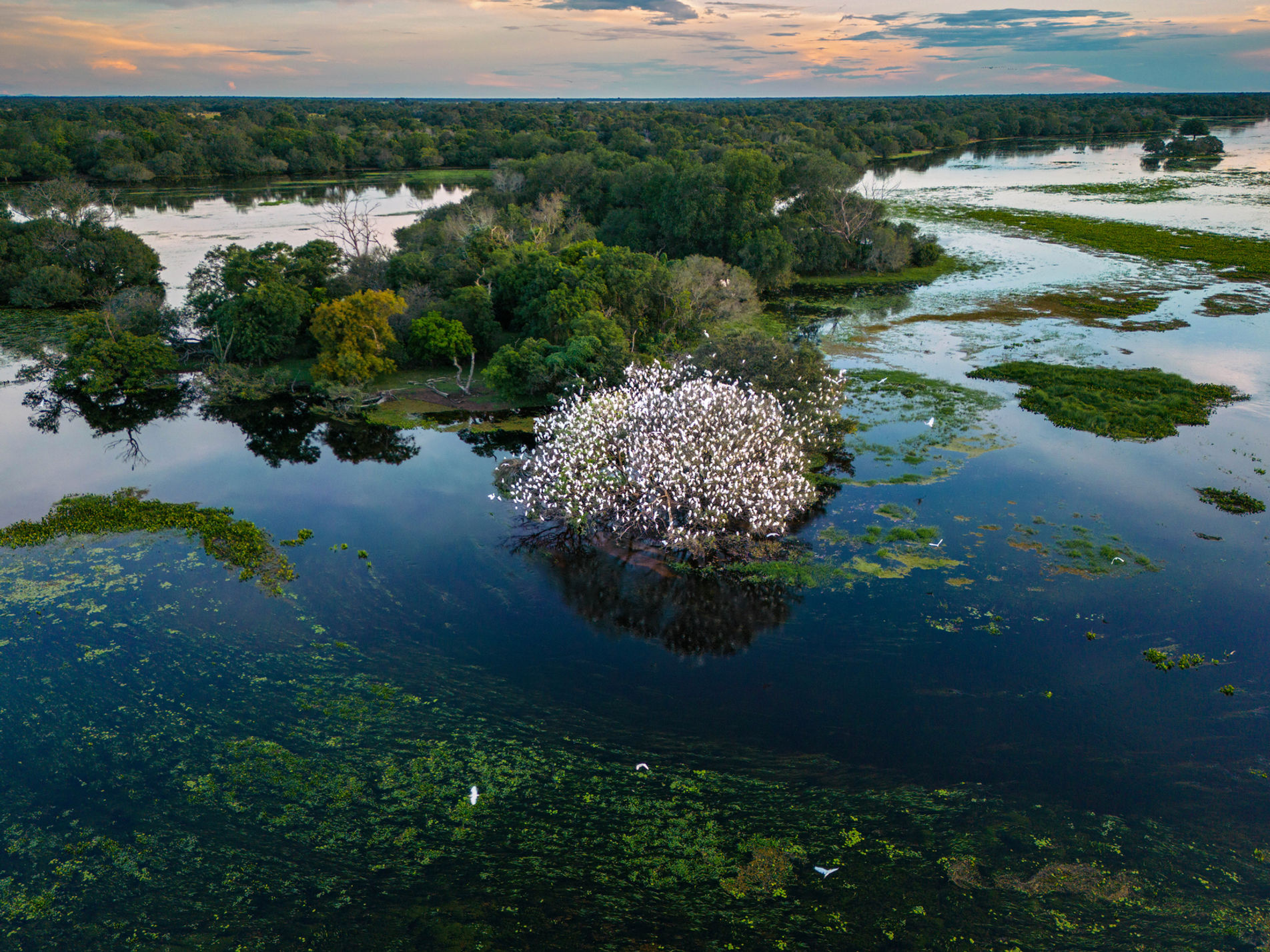
For many birders and nature lovers, the Pantanal — one of the best wildlife destinations in South America — begins long before the journey itself… somewhere in the imagination.
For those who grew up hearing about the Pantanal, that image often stays for years — and more often than not, the real Pantanal surpasses whatever was imagined.
Arriving here means stepping into a different portal, a different rhythm. Time slows down and the senses sharpen. A Jabiru standing calmly beside the road. Hyacinth Macaws crossing the sky with heavy wingbeats. Capybaras resting along riverbanks. And sometimes, the sudden appearance of Giant Otters moving together through still water.
Nothing feels staged. Nothing feels rushed. Presence defines the experience.
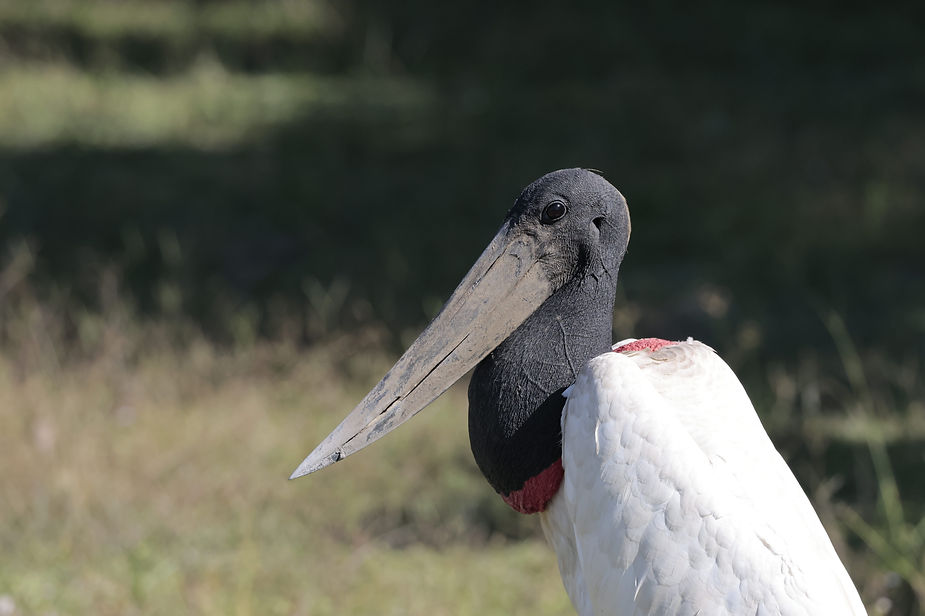
Few birds define the Pantanal as clearly as the Jabiru. Along quiet roads or open wetlands, encounters with this giant stork are surprisingly common. Photo: Ciro Albano
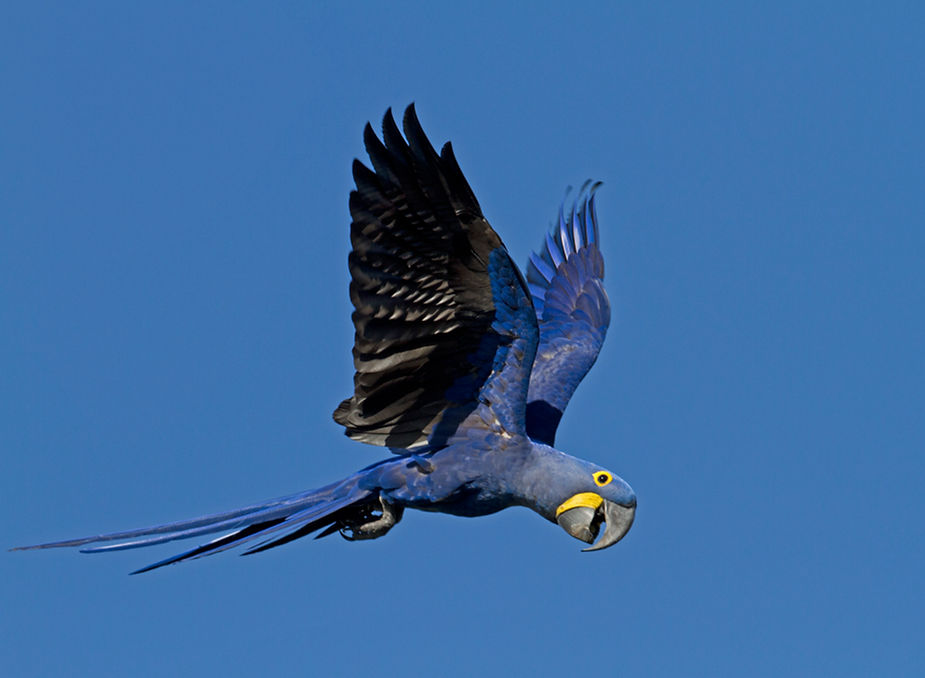
The Hyacinth Macaw is one of the most emblematic birds of the Pantanal. Seeing groups flying overhead or crossing open skies quickly turns into a memorable moment. Photo: Ciro Albano
And while many people speak of “the Pantanal” as if it were a single destination, the reality is far richer — a mosaic of landscapes and wildlife encounters that change depending on where you are.
The Pantanal Biome: Landscapes, Wildlife Habitats and Seasonal Flood Cycles
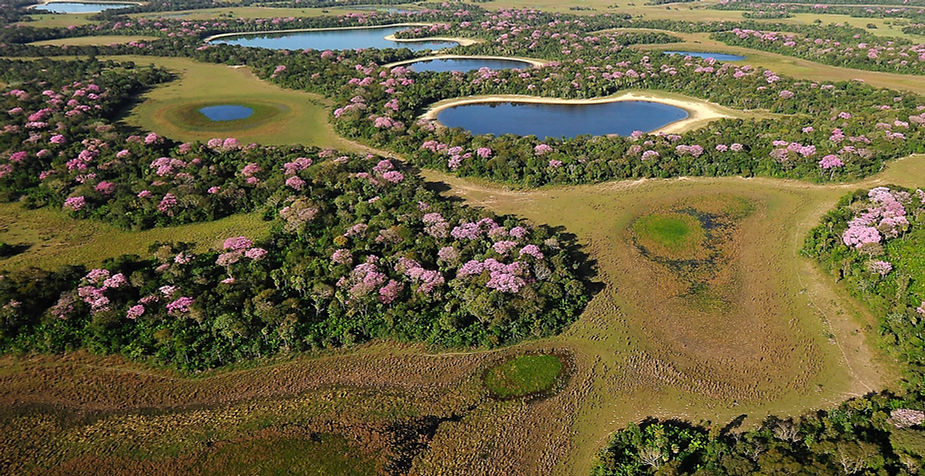
Seen from above, the Pantanal reveals itself as a mosaic of lagoons, forest patches and open wetlands shaped by seasonal water cycles. Photo: Lucas Leuzinger / Barranco Alto Archive
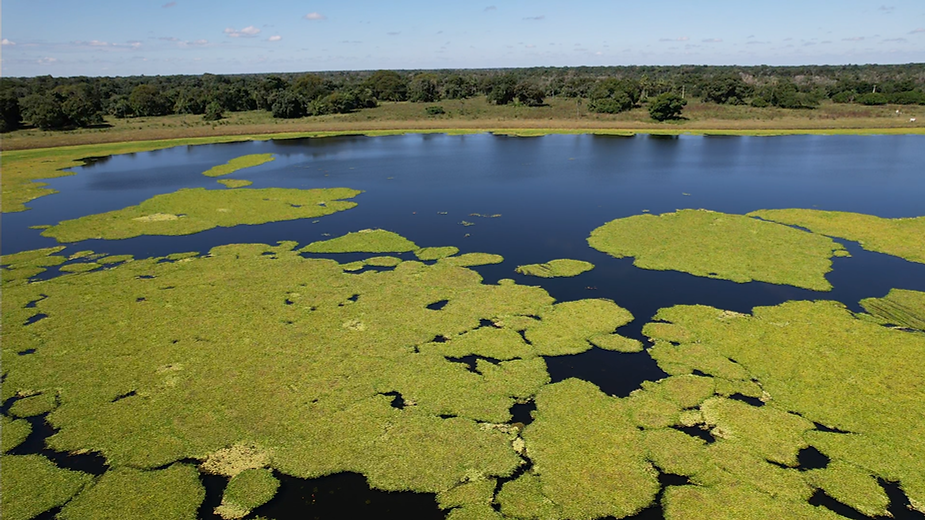
Water levels constantly reshape the landscape, creating floating vegetation mats, shallow pools and ever-changing feeding grounds. Photo: Manoela Bernardy / Barranco Alto Archive
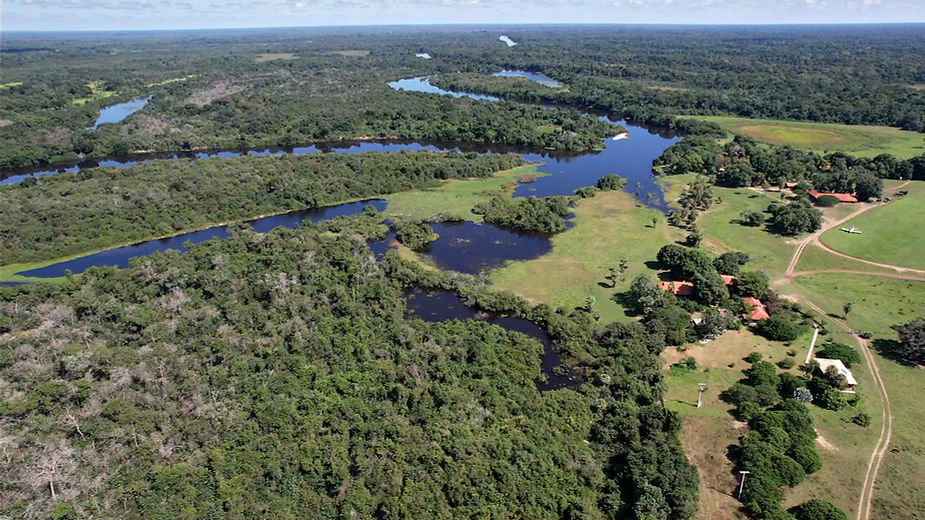
Rivers and channels connect these habitats, allowing wildlife to move freely across an ecosystem that is always in transition. Photo: Manoela Bernardy / Barranco Alto Archive
The Pantanal is the largest tropical wetland on Earth, yet it is anything but uniform. It is shaped by water — by flood pulses, seasonal droughts, and subtle shifts in elevation that create an incredible diversity of habitats.
Seasonally flooded grasslands, saline lagoons, oxbow lakes, gallery forests, forested ridges, winding rivers — each piece of this landscape holds different surprises.
Understanding these differences is essential, not only for planning a meaningful journey, but also for appreciating why wildlife behaves so differently between regions.
Among the most distinct contrasts are the Southern Pantanal and the Northern Pantanal — two areas that share the same biome, yet feel remarkably different once you are there.
Southern Pantanal: Birding Specialties, Wetland Wildlife and Quiet Mornings
Accessed mainly via Campo Grande, the Southern Pantanal offers something many travelers don’t expect: silence.
Here, vast protected areas create a genuine sense of remoteness. Early mornings unfold slowly — mist lifting from grasslands, distant calls carrying across open fields, and wildlife appearing naturally along the horizon.
For birders, this region is essential. Several species occur only in the Southern Pantanal and cannot be found in the northern portion of the biome within Brazil. For anyone hoping to understand the Pantanal as a complete birding destination, spending time in the south is fundamental.
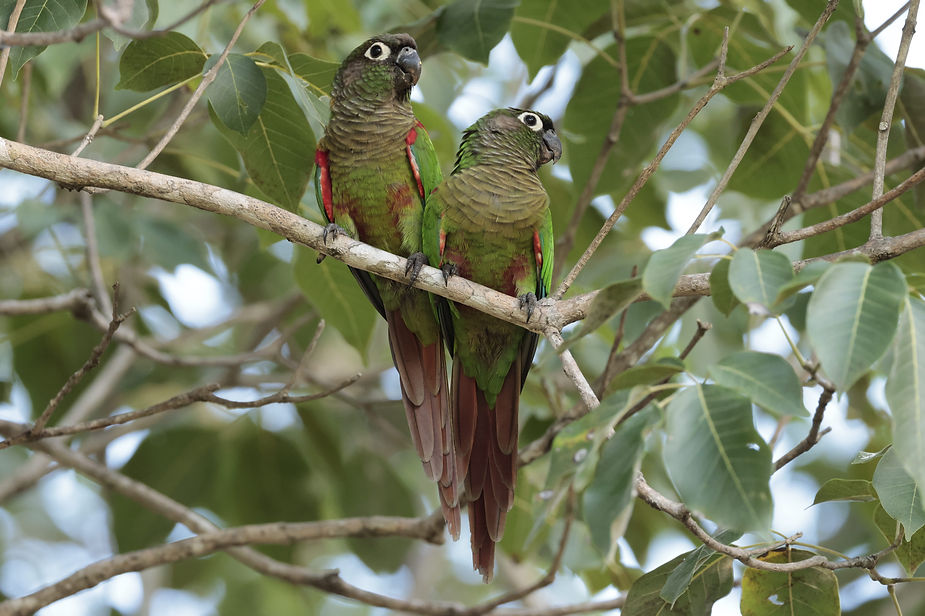
Blaze-winged Parakeet (a southern pantanal specialty). Photo: Ciro Albano
Hyacinth Macaws are a constant presence here — a reminder of what decades of conservation work can achieve. Watching pairs fly between nesting areas or gather at feeding sites is more than a visual highlight; it is a sign of resilience.
Giant Anteaters often cross open landscapes in the early morning light, moving slowly through grasslands shaped by water and time. Around saline lagoons, bird activity becomes intense — a dynamic mix of waders, raptors, and passerines drawn by seasonal changes.
The Southern Pantanal rewards patience. It is less about dramatic moments and more about connection — a place where birding feels contemplative, grounded, and deeply immersive.
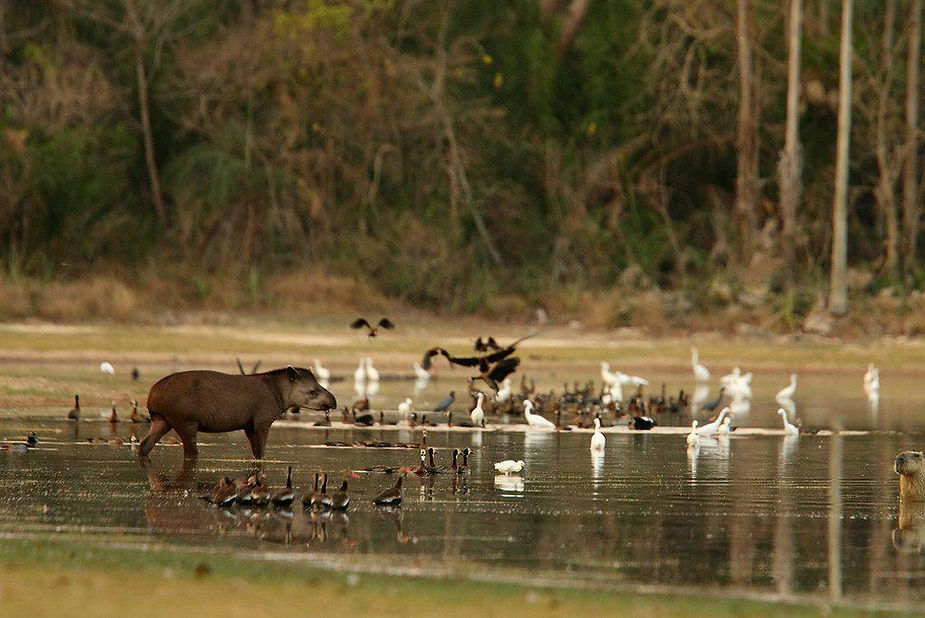
Low water levels gather birds and mammals in shallow saline lagoons. A South American Tapir moves quietly through the salina, surrounded by herons, ibises and feeding shorebirds. Did you notice the Capybara in the far right? Photo: Lucas Leuzinger / Barranco Alto Archive
Northern Pantanal: Jaguar Safaris, Rivers and the Transpantaneira Road
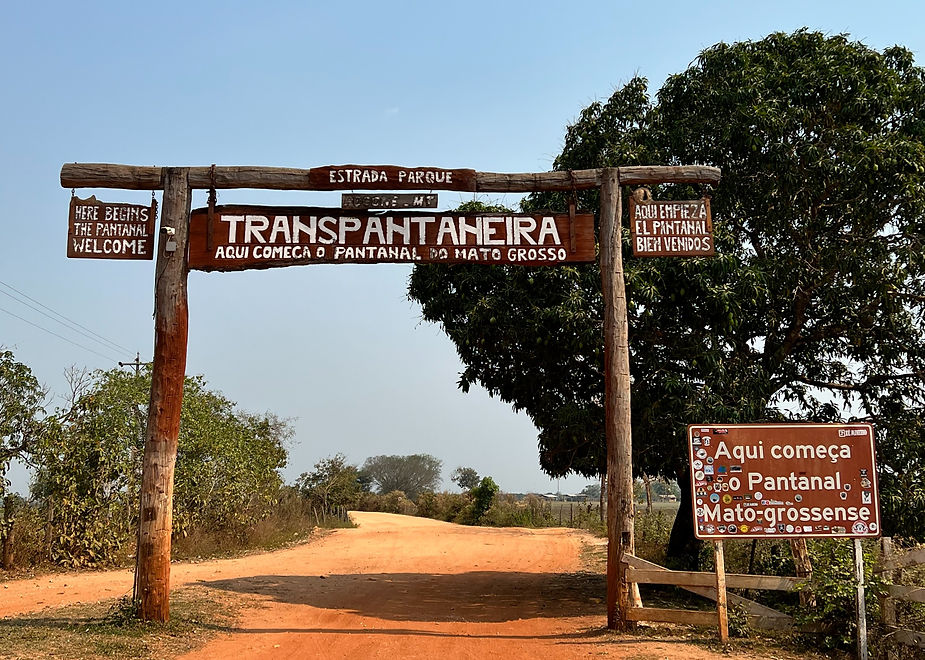
The Transpantaneira marks the gateway into one of the most wildlife-rich regions of South America. From here on, every bridge, lagoon and roadside stop becomes part of the experience. Photo: Caio Brito
If the Southern Pantanal feels quiet and introspective, the Northern Pantanal feels alive with movement and full of people.
Accessed via Cuiabá, the journey itself becomes part of the wildlife experience. Driving the Transpantaneira Road, bridges stretch across wetlands filled with birds — Jabirus, herons, macaws, caimans, and Marsh Deer often appearing within minutes.
The road leads to Porto Jofre, one of the most reliable places for Jaguar watching in Brazil (and in fact, the world). Here, exploration shifts to the water. Small boats navigate river channels where Jaguars may be seen resting along banks, moving through forest edges, or simply watching the river pass.
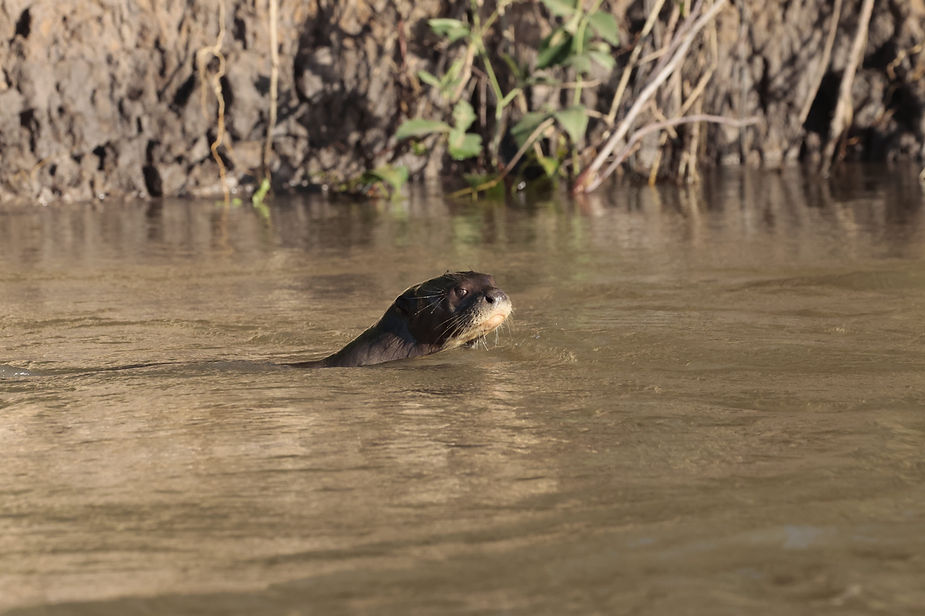
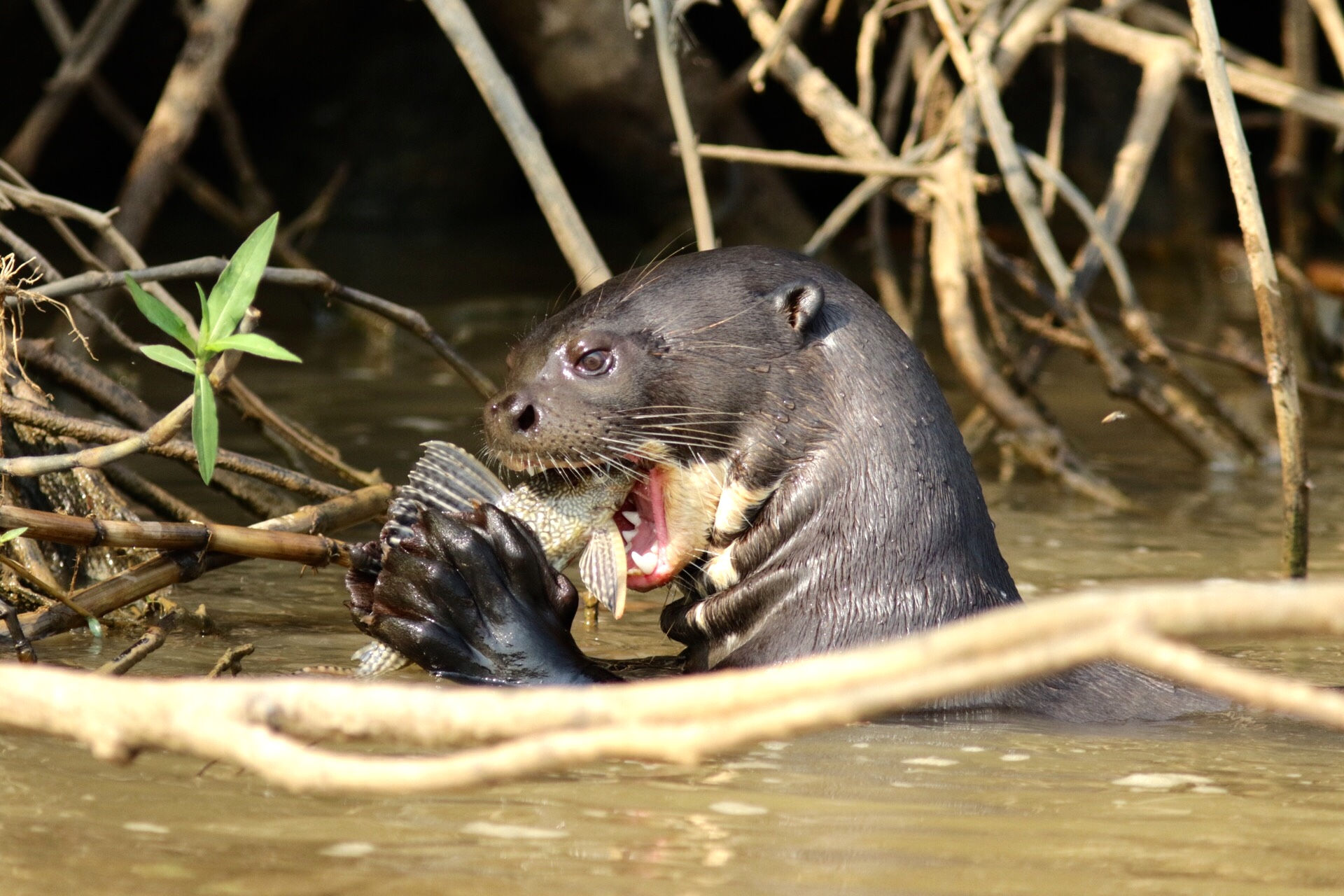
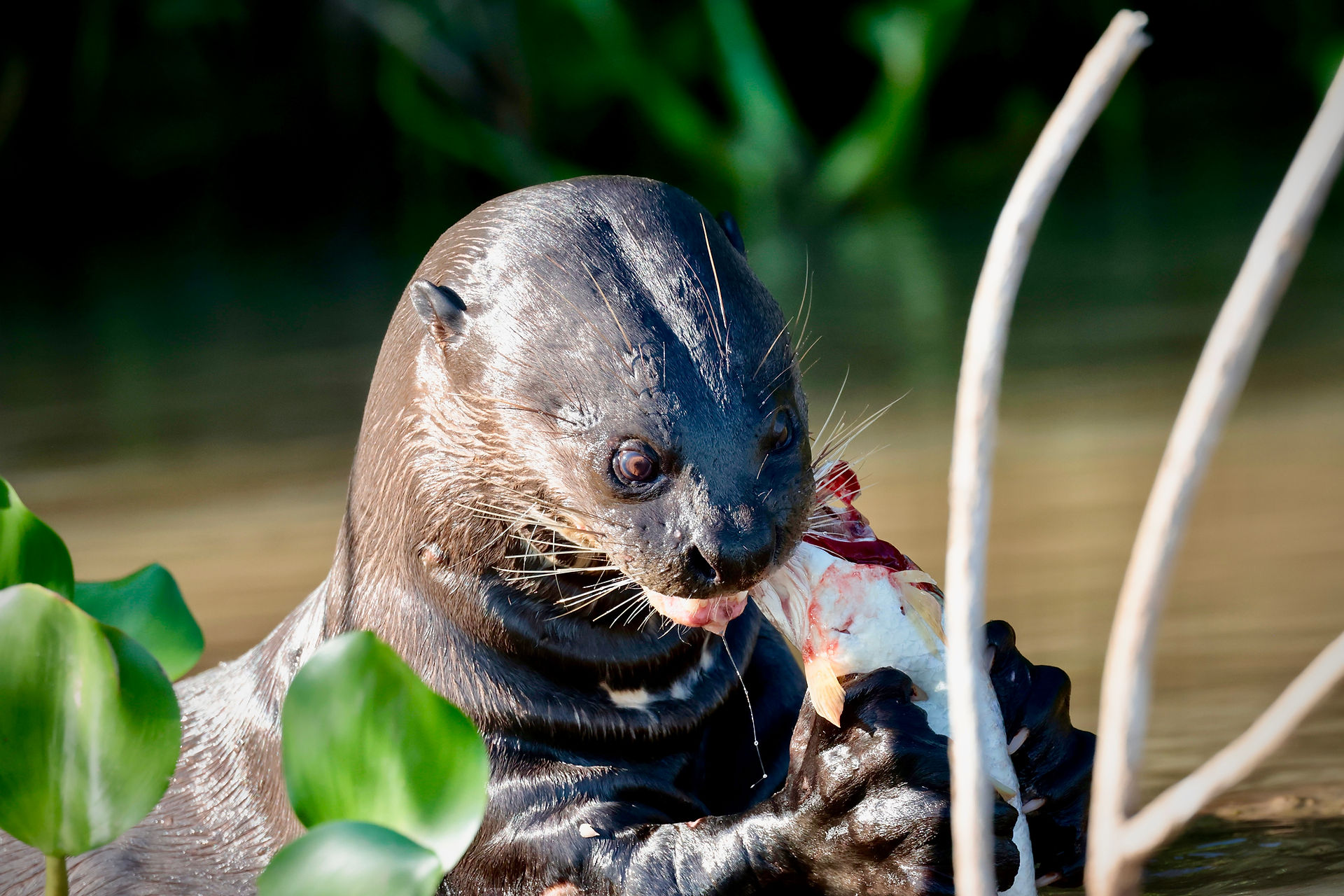
Giant Otters move through the rivers in tight family groups, their presence often announced long before they appear — one of the most memorable encounters in the Pantanal. Photos: Tati Pongiluppi and Ciro Albano
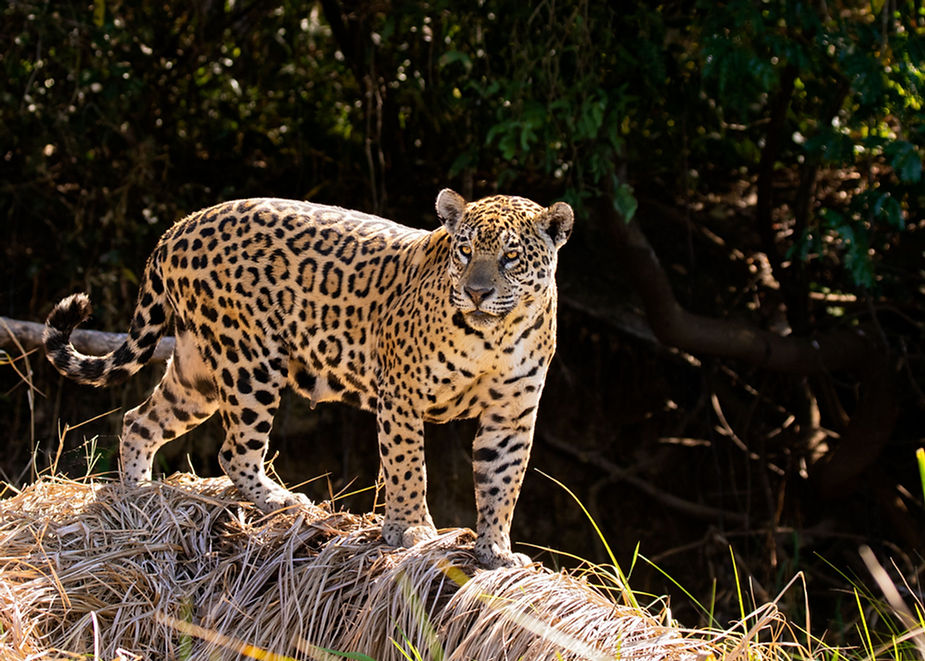
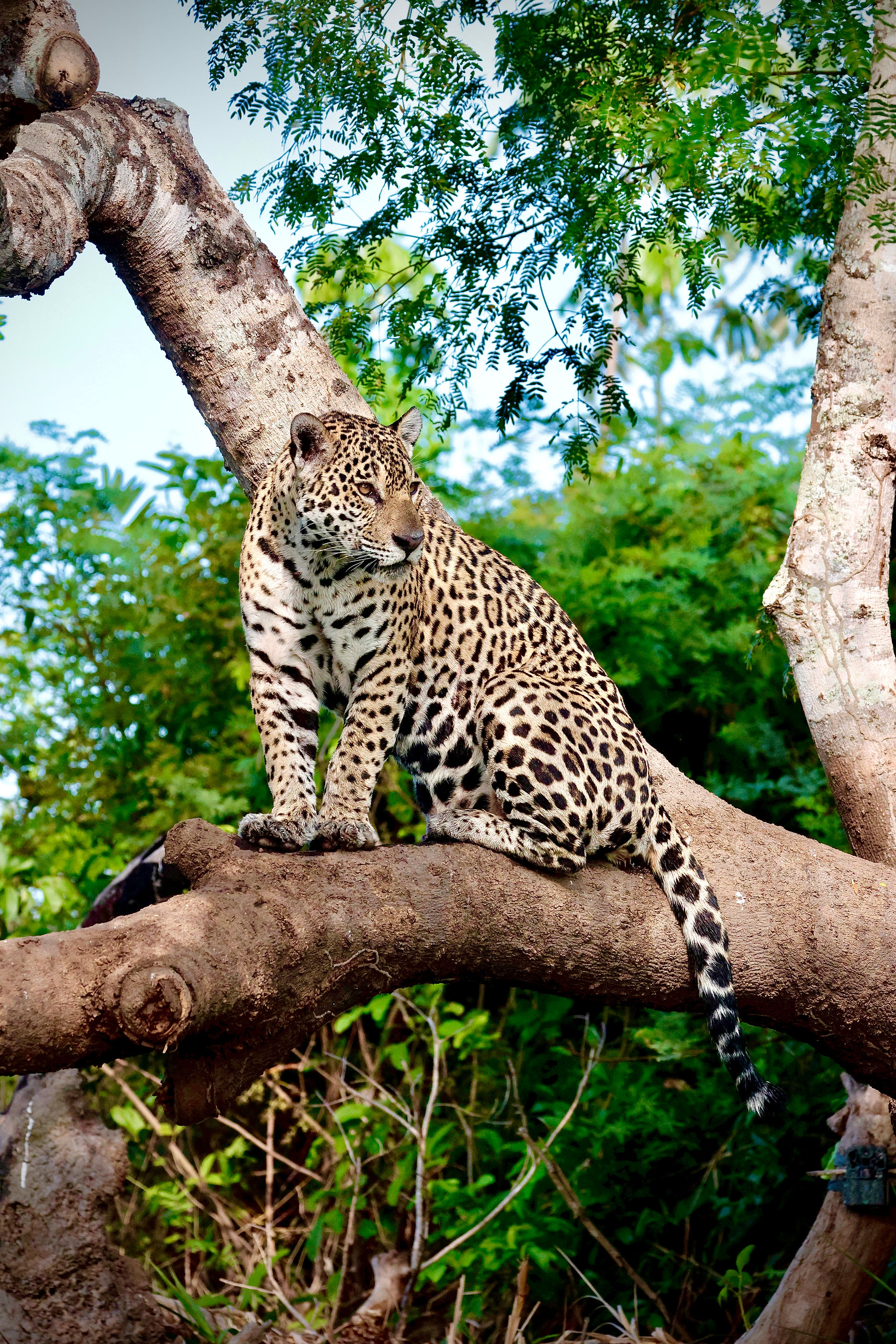
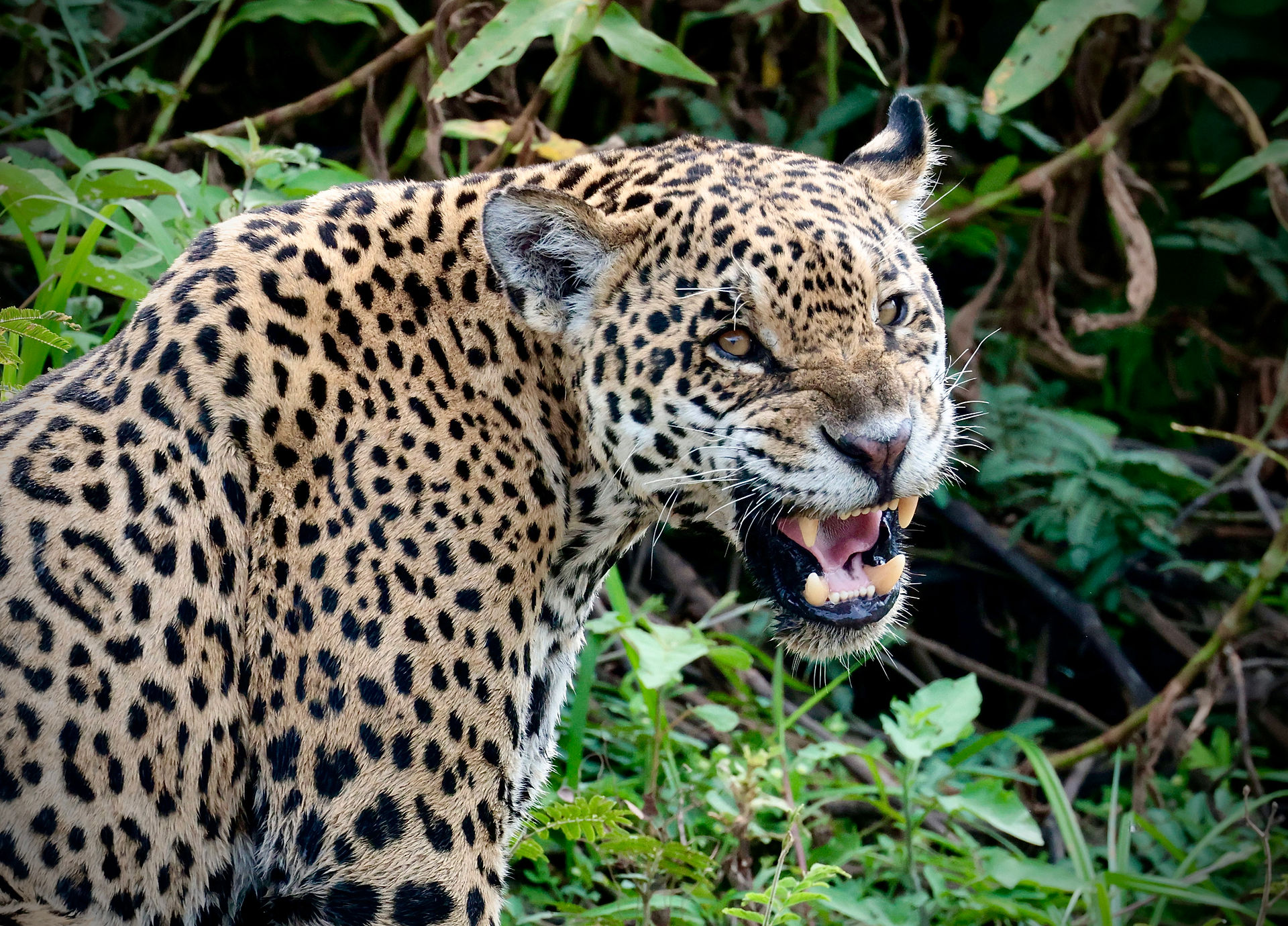
Jaguar sightings have become one of the defining wildlife moments of the northern Pantanal, where rivers and forest edges create ideal conditions for observing this imposing predator. Photo: Ciro Albano and Caio Brito
These waterways are also home to Giant Otters — highly social, curious mammals whose presence signals healthy aquatic ecosystems. Watching a family group surface and communicate with whistles and splashes is one of the most memorable moments the Pantanal can offer.
Where the south invites stillness, the north offers movement — same biome, a different approach.
Conservation, Climate, and Responsible Travel
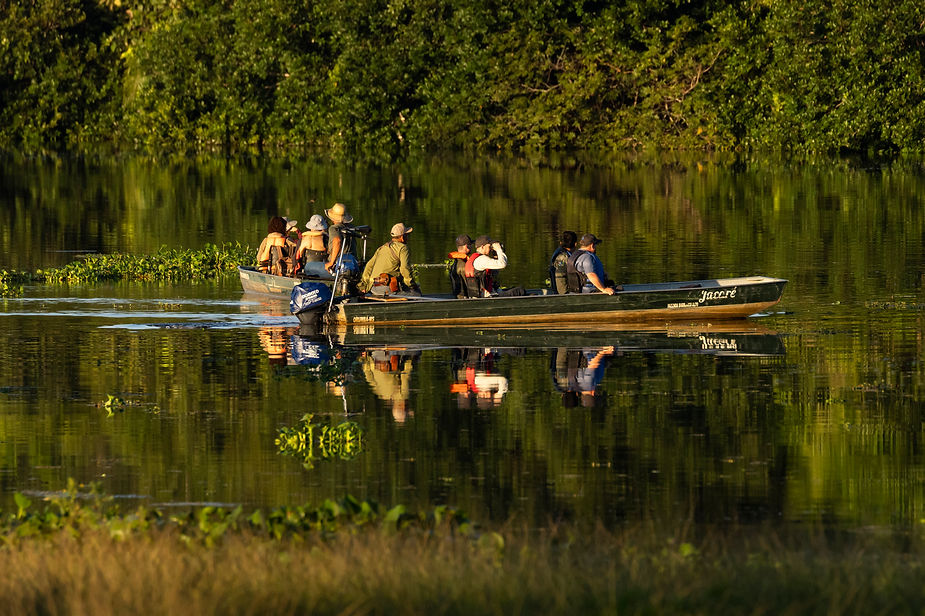
Boat safaris along quiet rivers are an essential part of exploring the Pantanal. Moving slowly through the waterways allows guides and guests to observe wildlife at eye level while experiencing the landscape in a respectful way. Photo: André Bittar / Barranco Alto Archive
In the Pantanal, wildlife tourism has evolved beyond economics — it has become an active conservation tool.
Responsible tourism supports local communities, encourages coexistence with predators, and gives tangible value to living wildlife. Jaguars, Hyacinth Macaws, and Giant Otters benefit directly from long-term research and protection efforts supported by both science and ethical tourism.
At the same time, the Pantanal faces growing challenges. Floods, droughts, and wildfires have become more extreme in recent years, reminding us how fragile this ecosystem can be.
Traveling thoughtfully — with respect for local knowledge, natural rhythms, and wildlife boundaries — helps maintain the balance that makes the Pantanal so extraordinary.
Ethical Wildlife Observation
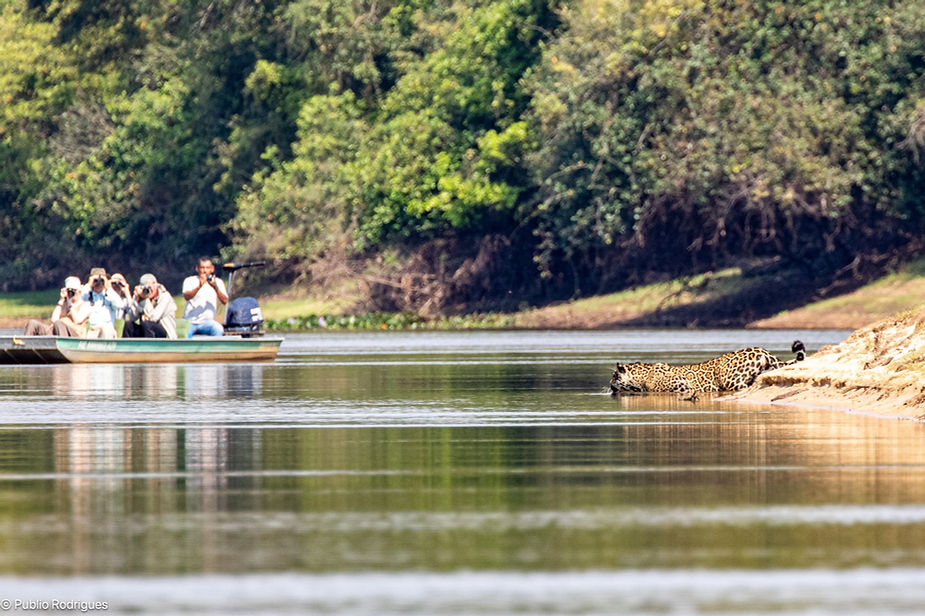
Moments like this are a reminder that the Pantanal is best experienced with patience and respect. From a safe distance, guests observe a Jaguar along the riverbanks of Barranco Alto, one of the most remarkable wildlife areas of the Southern Pantanal. Photo: Públio Rodrigues / Barranco Alto Archive
Responsible wildlife encounters are at the heart of the Pantanal experience.
Key principles include:
Keeping noise levels low
Never pursuing animals
Allowing wildlife to dictate the pace of encounters
Understanding that observation is a privilege, not a guarantee
These practices protect both animals and visitors — and help ensure that future generations can experience the Pantanal in the same authentic way.
Accommodation in the Pantanal: Comfort in Remote Landscapes
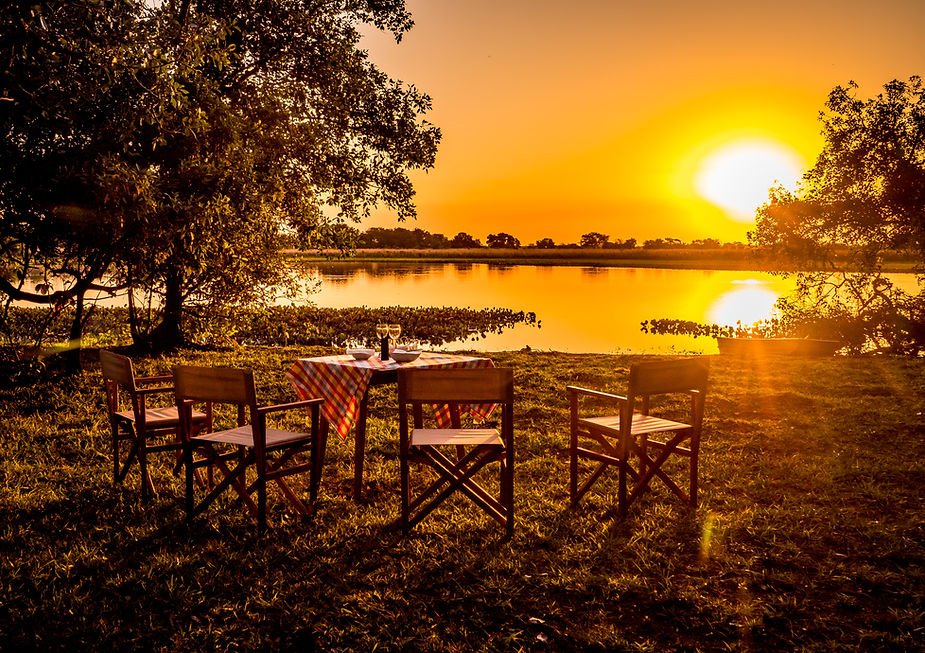
As the day winds down in the Southern Pantanal, quiet moments by the water become part of the rhythm of the journey. Evenings at Baía das Pedras often end with golden light, open skies, and time to slow down after a full day in the field. Photo: Baía das Pedras Archive
One of the biggest surprises for first-time visitors is how comfortable the Pantanal can feel.
Lodges are designed for extended stays immersed in nature, offering private rooms, air conditioning, and full-board service. Daily activities often include boat excursions, safari-style drives, and guided wildlife observation.
The Pantanal is remote — but it is far from inhospitable. Comfort allows visitors to focus fully on the experience rather than logistics, creating space to slow down and truly observe.
Frequently Asked Questions About the Pantanal
Is the Pantanal only about Jaguar safaris?
Not at all. Birdlife, Giant Anteaters, Giant Otters, reptiles, and the landscapes themselves are equally compelling.
Is the Pantanal safe to visit?
Yes. With experienced guides and well-established lodges, the Pantanal is considered a very safe destination.
Is a Pantanal trip physically demanding?
Not usually. Most wildlife observation happens from vehicles and boats, with short walks on flat terrain.
Are Jaguar sightings guaranteed?
No ethical operator can guarantee wildlife. However, the Northern Pantanal offers some of the highest probabilities of seeing Jaguars anywhere in the world.
Is the Pantanal good for birdwatching and photography?
Absolutely. The Southern Pantanal is particularly important for birders, offering species not found elsewhere in the biome within Brazil.
Useful Links and References
SOS Pantanal —https://www.sospantanal.org.br
Jaguar ID Project —https://www.jaguaridproject.org
Panthera —https://panthera.org
Projeto Arara Azul —https://www.projetoararaazul.org.br
Projeto Ariranha —https://www.projetoariranha.org.br
SESC Pantanal —https://www.sescpantanal.com.br
Instituto Homem Pantaneiro —https://institutohompantaneiro.org.br
A Place That Rewards Those Who Slow Down
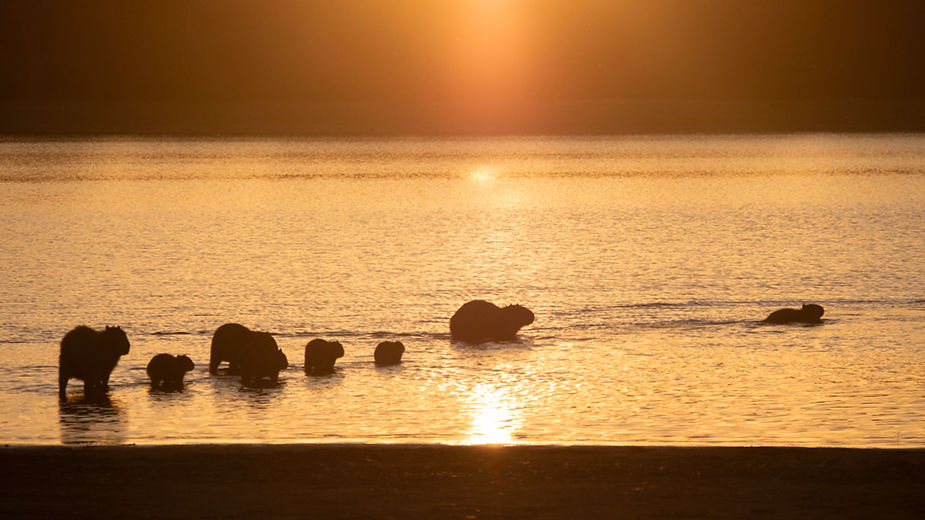
As daylight fades across the wetlands, even the most active landscapes slow down for one to contemplate. Moments like these remind us that the Pantanal reveals itself best to those willing to pause and simply watch. Photo: Manoela Bernardy / Barranco Alto Archive
The Pantanal is a remote destination — and that is precisely its strength.
Limited connectivity, seasonal changes, and longer travel days are part of accessing one of the most intact wetlands on Earth. With thoughtful planning, these elements do not limit the experience — they deepen it.
The Pantanal is not a place to rush through. It asks you to slow down, observe carefully, and allow the landscape to unfold at its own pace.
Visit and Explore the Pantanal
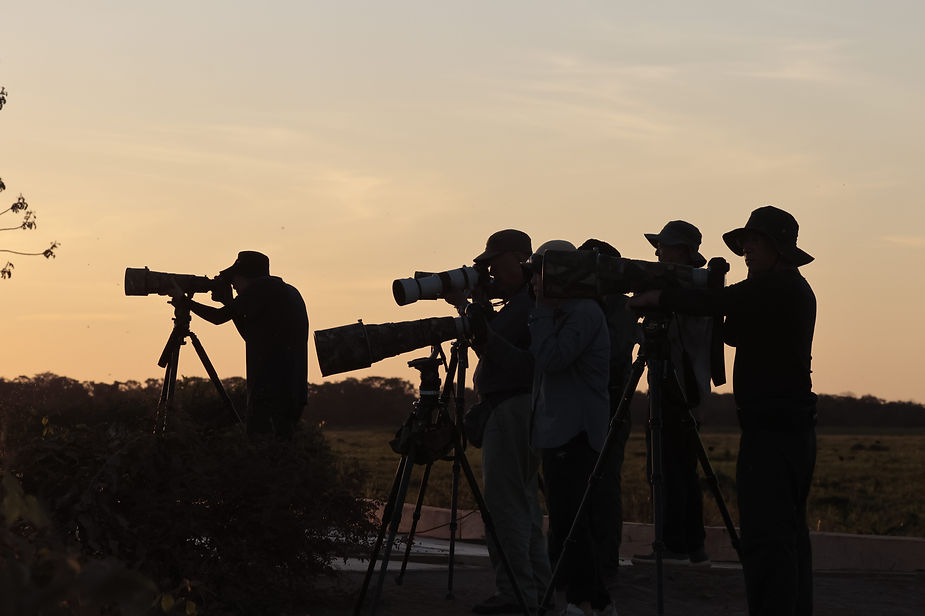
Guiding in the Pantanal is often about patience — reading light, understanding movement, and allowing wildlife encounters to unfold naturally. Experience in the field helps transform moments into lasting memories. Photo: Ciro Albano
Over the years, working in the Pantanal has shown us that meaningful wildlife encounters come from understanding the landscape — knowing when to slow down, when to move, and how to read the subtle signs that lead to the species people travel so far to see. Efficiency in the field is not about rushing; it’s about experience, preparation, and the ability to adapt to changing conditions.
At Brazil Birding Experts, our itineraries are built around that balance. We focus on helping travelers maximize their chances of seeing the Pantanal’s most iconic birds and mammals while maintaining an ethical and respectful approach to wildlife observation. The goal is simple: to combine deep natural immersion with the knowledge and strategy that allow each journey to reach its full potential.
If you are considering a journey to the Pantanal and would like guidance on how to approach the region — whether your focus is Jaguars, birding specialties, or the full wildlife experience — we’re always happy to help you shape a plan for Pantanal birding or a wildlife safari experience that makes the most of your time in the field.
Senior Guide
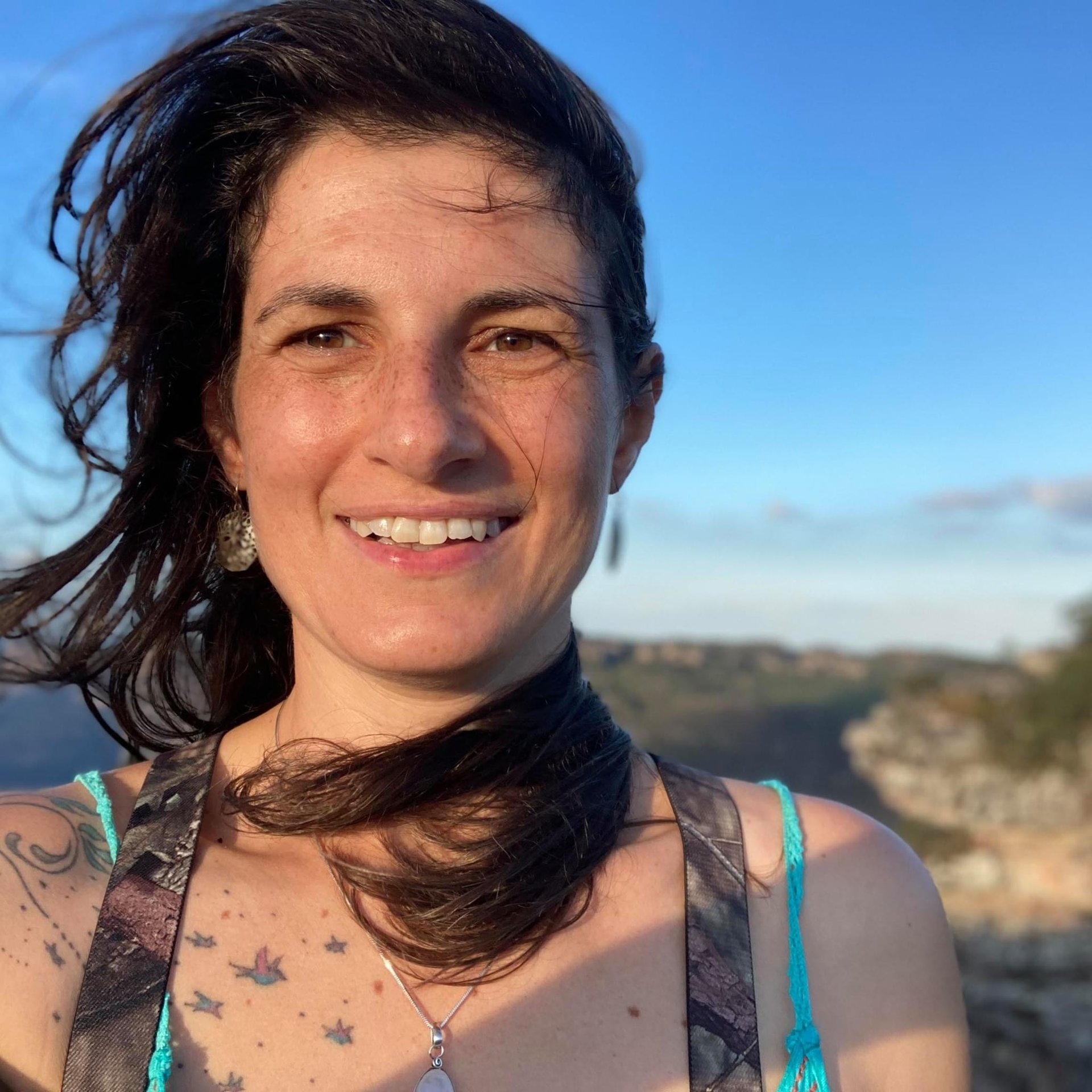
Tatiana Pongiluppi is a biologist and ornithologist from São Paulo, and one of the founders of Brazil Birding Experts. She has been watching birds since she was a child, and she has spent the last twenty years working for them. Her first decade was in conservation. At SAVE Brasil, BirdLife International's partner in Brazil, she led field projects with local communities across the country, from monitoring threatened endemics in the Serra do Urubu (recognized with the Conservation Leadership Programme's Future Conservationist Award in 2009) to coordinating one of Brazil's largest citizen science bird monitoring programs. Tatiana holds a master's degree in Biodiversity in Protected Areas from the Rio de Janeiro Botanical Garden, sits on the vernacular names subcommittee of the Brazilian Ornithological Records Committee (CBRO), and has co-authored papers in Conservation Biology, Ornithology Research and other journals. In 2018 she co-founded BBE with Ciro Albano and Caio Brito. She used to guide in the Southeast, Northeast and Pantanal, and she runs the company behind the scenes: itineraries, partnerships and the standards that make every trip work. What she cares about most is that birding leaves places better than it found them: for the birds, and for the people who live alongside them.
See posts by Tatiana Pongiluppi (2)
Caio was born in Fortaleza, state capital of Ceará, Northeast Brazil, in 1989. At the age of five, his family moved to California, where he lived between 1995 and 2000. Because of this early experience with the English language, he is a fluent English-speaking guide. In 2012, after securing his degree in Biology at the State University of Ceará (UECE), Caio went on a road trip around Brazil on his 125cc motorcycle! He was eager to know more about the country and its biogeographical aspects (including all the birds, of course!). This trip provided him with a fair general idea of the country and, most importantly, gave him the thirst to seek ever more! From then on, Caio has been setting out on journeys throughout the country in every single Brazilian biome, and has seen over 1500 birds from all four corners of Brazil! Caio is an enthusiastic, fun, patient and thoughtful person to be with; besides the birds that he is always very passionate to show, there is always a hot flask of coffee to keep you going during the day. If you want to have fun besides seeing a great number of birds, then look no further! He has vast experience throughout the Northeast and Southeast regions and also guides in the Amazon, Pantanal and Southern Brazil.
See posts by Caio Brito (19)Comments
Be the first to comment.